When athletes push their bodies to the limit, sports injuries become an unfortunate reality. Whether you're a weekend warrior hitting the trails around Cleveland or a competitive athlete training year-round, finding effective treatment that provides lasting relief is crucial for getting back to peak performance. Body contouring has emerged as a revolutionary approach that goes beyond traditional injury treatment methods, offering comprehensive healing that addresses both immediate pain and long-term recovery.
Unlike conventional treatments that often focus solely on symptom management, body contouring takes a holistic approach to sports injury recovery. This innovative technique works by restoring proper alignment, improving circulation, and supporting the body's natural healing processes. For Cleveland residents dealing with persistent sports injuries, understanding how this approach can transform their recovery journey is essential.
Understanding Body Contouring for Athletic Recovery
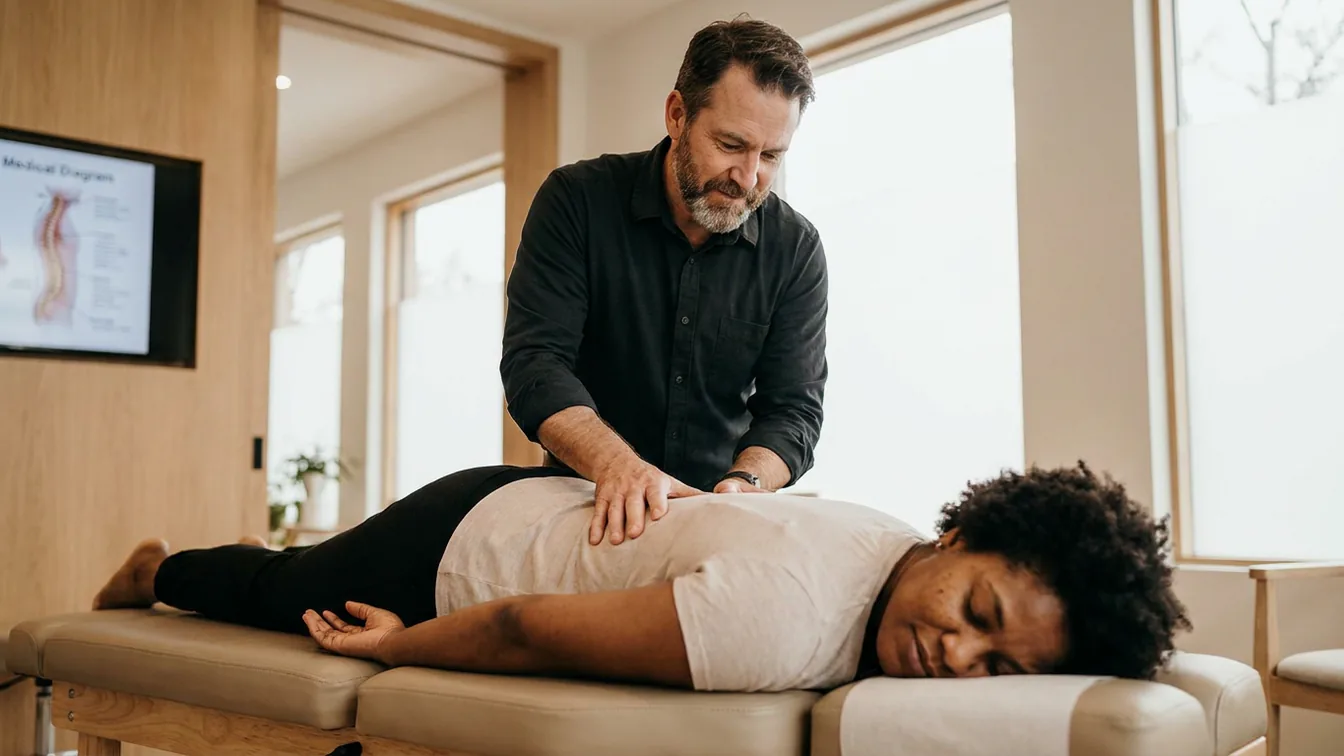
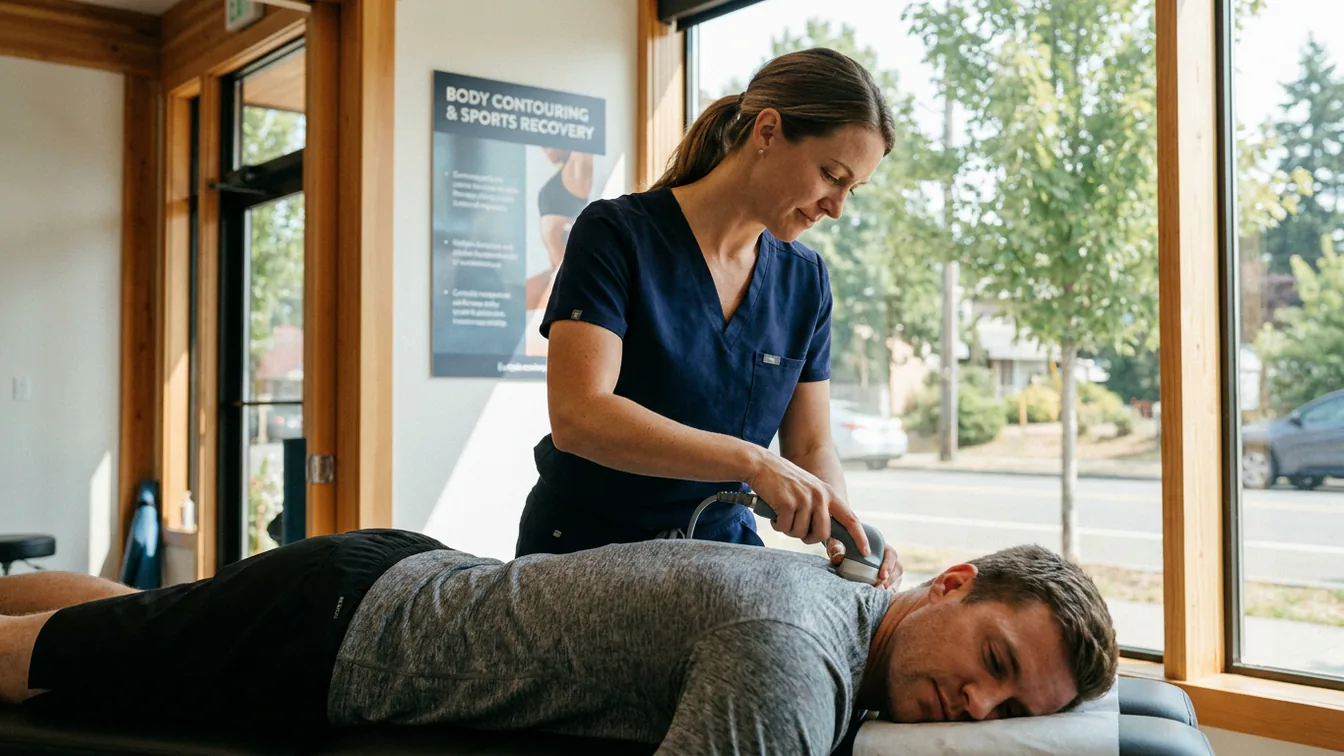
Body contouring in the context of sports injury treatment involves precise manual techniques that reshape and realign soft tissues, muscles, and fascia. This therapeutic approach recognizes that sports injuries rarely occur in isolation – they often result from compensation patterns, muscle imbalances, and structural misalignments that develop over time.
When an athlete experiences an injury, the body naturally compensates by altering movement patterns to protect the injured area. While this protective mechanism serves an immediate purpose, it often creates additional stress on other parts of the body, leading to secondary injuries and chronic pain patterns. Body contouring addresses these underlying issues by systematically working through the interconnected web of muscles, fascia, and joints.
The technique focuses on restoring optimal tissue quality and function rather than simply treating the site of injury. For example, a runner experiencing knee pain might actually have the root cause stemming from hip dysfunction or ankle mobility restrictions. Body contouring practitioners assess the entire kinetic chain to identify these contributing factors and develop a comprehensive treatment strategy.
This approach is particularly effective for common sports injuries seen throughout Tennessee, including rotator cuff strains from overhead sports, IT band syndrome from running, and lower back pain from cycling or weightlifting. By addressing the whole person rather than isolated symptoms, body contouring provides a foundation for sustainable recovery.
The Science Behind Lasting Relief
The effectiveness of body contouring lies in its ability to influence multiple physiological systems simultaneously. When properly applied, these techniques trigger significant changes in tissue quality, circulation, and neurological function that contribute to lasting relief from sports-related pain and dysfunction.
At the cellular level, body contouring techniques help break down adhesions and scar tissue that commonly form following sports injuries. These adhesions can restrict normal tissue movement and create ongoing pain even after the initial injury has healed. Through targeted manual pressure and movement, practitioners can help restore normal tissue mobility and function.
Improved circulation is another key mechanism through which body contouring provides lasting relief. Sports injuries often result in localized inflammation and reduced blood flow to affected tissues. The manual techniques used in body contouring help stimulate circulation, bringing fresh oxygen and nutrients to damaged tissues while facilitating the removal of metabolic waste products that can perpetuate inflammation and pain.
Neurologically, body contouring works by influencing pain perception and movement patterns. The techniques help reset dysfunctional movement programs that the nervous system may have adopted following injury. This neurological reprogramming is crucial for preventing re-injury and ensuring that improvements gained during treatment are maintained long-term.
Research has shown that manual therapies similar to those used in body contouring can influence the production of endorphins and other natural pain-relieving substances. This helps explain why many patients experience not only immediate relief during treatment but also sustained improvements in pain levels and function between sessions.
For athletes in Cleveland and throughout TN, understanding these mechanisms helps explain why body contouring often succeeds where other treatments have fallen short. The comprehensive nature of the approach addresses multiple contributing factors simultaneously, leading to more complete and lasting recovery.
Practical Applications for Common Sports Injuries
Body contouring techniques can be adapted to address virtually any type of sports injury, from acute trauma to overuse conditions. The key lies in understanding how each specific injury impacts the broader kinetic chain and developing targeted interventions that restore optimal function.
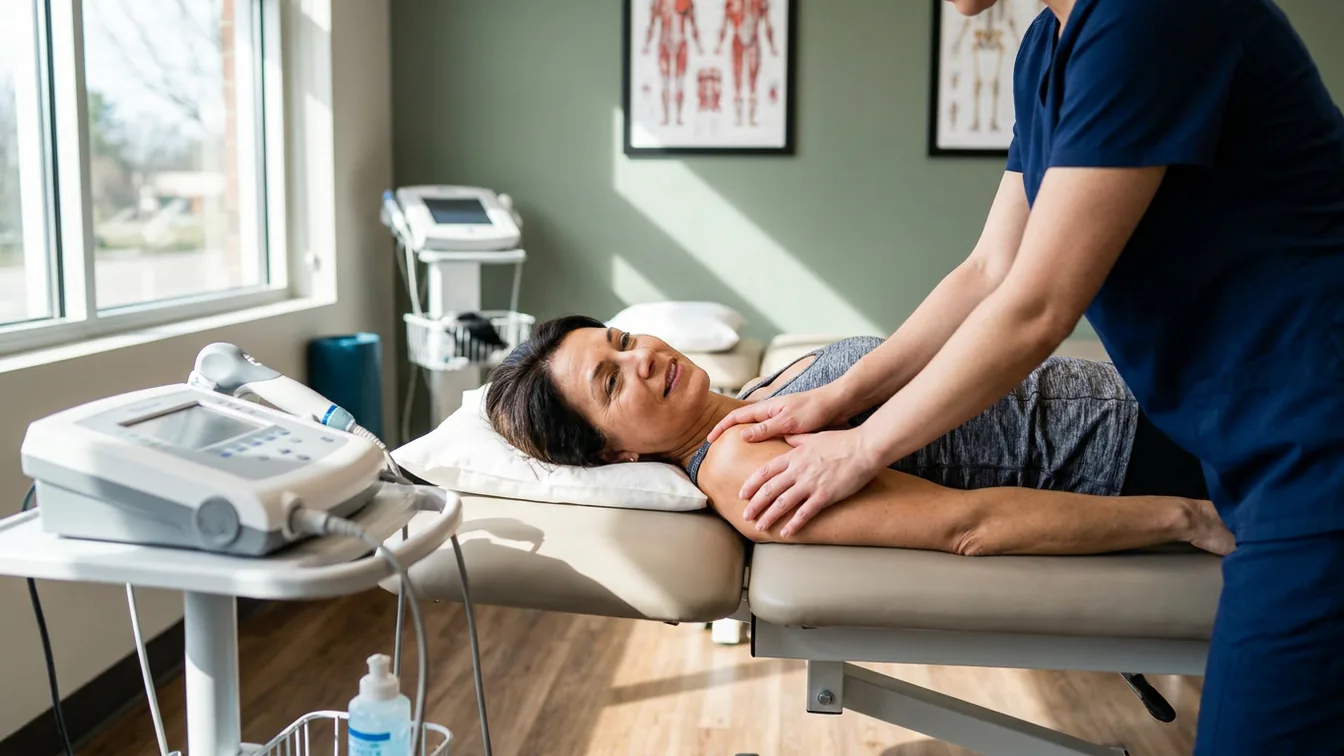
For shoulder injuries, which are common in swimming, tennis, and throwing sports, body contouring focuses on restoring proper scapular mechanics and addressing restrictions in the thoracic spine and rib cage. Many athletes don't realize that shoulder problems often stem from poor posture and movement patterns that develop gradually over time. By working to improve overall upper body alignment and mobility, lasting relief becomes possible even for chronic shoulder conditions.
Runners frequently benefit from body contouring approaches to address knee pain, hip dysfunction, and plantar fasciitis. These conditions are often interconnected, with problems in one area contributing to compensatory changes elsewhere. A comprehensive body contouring approach might include work on the feet and ankles to improve ground reaction forces, hip mobilization to restore proper gait mechanics, and core strengthening to provide stable support for the entire lower extremity.
Back pain from cycling, weightlifting, or rotational sports like golf responds well to body contouring techniques that address both the symptoms and underlying causes. This might involve releasing tight hip flexors that pull on the lumbar spine, improving thoracic extension to reduce compensatory lumbar hyperextension, and addressing fascial restrictions that limit normal spinal movement.
Cleveland athletes dealing with overuse injuries particularly benefit from the preventive aspects of body contouring. Regular treatment sessions can help identify and address developing problems before they progress to full-blown injuries. This proactive approach is especially valuable for athletes who train consistently and want to maintain peak performance while minimizing injury risk.
The timing of body contouring interventions can vary depending on the nature and severity of the injury. For acute injuries, initial treatment might focus on pain reduction and promoting healing, while chronic conditions may require more intensive work to address long-standing compensation patterns and tissue changes.
Integration with Comprehensive Care
While body contouring can be highly effective as a standalone treatment, its benefits are often maximized when integrated with other therapeutic approaches. This multidisciplinary approach recognizes that complex sports injuries may require various interventions to achieve optimal outcomes.
Nutritional support plays a crucial role in the healing process and can significantly enhance the effects of body contouring treatments. Proper nutrition provides the building blocks necessary for tissue repair and helps control inflammation that can impede recovery. Athletes working with body contouring practitioners often receive guidance on anti-inflammatory foods, hydration strategies, and supplements that support healing.
Movement education and corrective exercise are natural complements to body contouring work. While the manual techniques help restore tissue quality and joint mobility, specific exercises are needed to strengthen muscles, improve coordination, and retrain proper movement patterns. This combination ensures that improvements gained during treatment sessions are reinforced and maintained through daily activities and sport participation.
Stress management and sleep optimization are often overlooked aspects of sports injury recovery that can significantly impact outcomes. Chronic stress and poor sleep quality can interfere with healing and increase pain perception. Body contouring practitioners frequently address these lifestyle factors as part of a comprehensive treatment plan.
For Cleveland residents seeking natural healthcare solutions, body contouring represents an appealing alternative to approaches that rely heavily on medications or invasive procedures. The emphasis on supporting the body's natural healing abilities aligns well with the preferences of athletes who want to maintain their health and performance without relying on substances that might have unwanted side effects.
Regular maintenance care is an important consideration for athletes who want to prevent future injuries and maintain optimal performance. Many find that periodic body contouring sessions help them stay ahead of developing problems and perform at their best consistently.
If you're dealing with a sports injury that hasn't responded well to conventional treatments, or if you're looking for natural approaches to support your athletic performance and recovery, consider exploring how body contouring might benefit you. The team at Cleveland Non-Surgical, located at 1590 Clingan Ridge Drive, Cleveland, TN 37312, specializes in helping athletes achieve lasting relief from sports injuries through innovative, natural treatment approaches. Don't let pain keep you from the activities you love – discover how body contouring can help you get back to peak performance and stay there.