Living with spinal stenosis can feel overwhelming, especially when simple activities like walking to the mailbox or standing in line at the grocery store become sources of significant discomfort. If you're among the millions of adults experiencing the narrowing of spinal spaces that characterizes this condition, you're likely searching for solutions that go beyond temporary pain management. The good news is that physical rehabilitation provides lasting relief for spinal stenosis through comprehensive, evidence-based approaches that address the root causes of your symptoms.
Spinal stenosis occurs when the spaces within your spine narrow, putting pressure on the nerves that travel through the spine. This compression can lead to pain, numbness, tingling, and weakness that radiates into your legs, arms, or other areas of your body. While many people assume surgery is their only option, research consistently shows that conservative treatments, particularly structured rehabilitation programs, can deliver significant and sustainable improvements in both pain levels and functional capacity.
Understanding How Physical Rehabilitation Targets Spinal Stenosis
Physical rehabilitation takes a multifaceted approach to managing spinal stenosis by addressing the various factors that contribute to your symptoms. Unlike pain medications that merely mask discomfort, rehabilitation programs work to improve the underlying biomechanical issues that exacerbate nerve compression.
The foundation of effective rehabilitation lies in spinal decompression techniques that create more space for compressed nerves. Through specific positioning, manual therapy, and targeted exercises, rehabilitation specialists can help reduce the pressure on affected nerve roots. This process often begins with flexion-based exercises, as many people with spinal stenosis find relief when bending forward slightly – think about how you might naturally lean on a shopping cart for comfort.
Core strengthening forms another crucial component of rehabilitation programs. When your deep abdominal and back muscles function optimally, they provide natural support for your spine, reducing the load on compromised spinal structures. Cleveland residents participating in structured rehabilitation programs often report that improved core stability translates into better balance, reduced fall risk, and increased confidence during daily activities.
Postural correction also plays a vital role in long-term symptom management. Many adults develop forward head posture, rounded shoulders, and excessive lumbar extension over years of desk work or other activities. These postural adaptations can worsen spinal stenosis symptoms by further narrowing already compromised spinal spaces. Rehabilitation programs address these patterns through targeted stretching, strengthening, and movement re-education.
Evidence-Based Techniques That Deliver Results
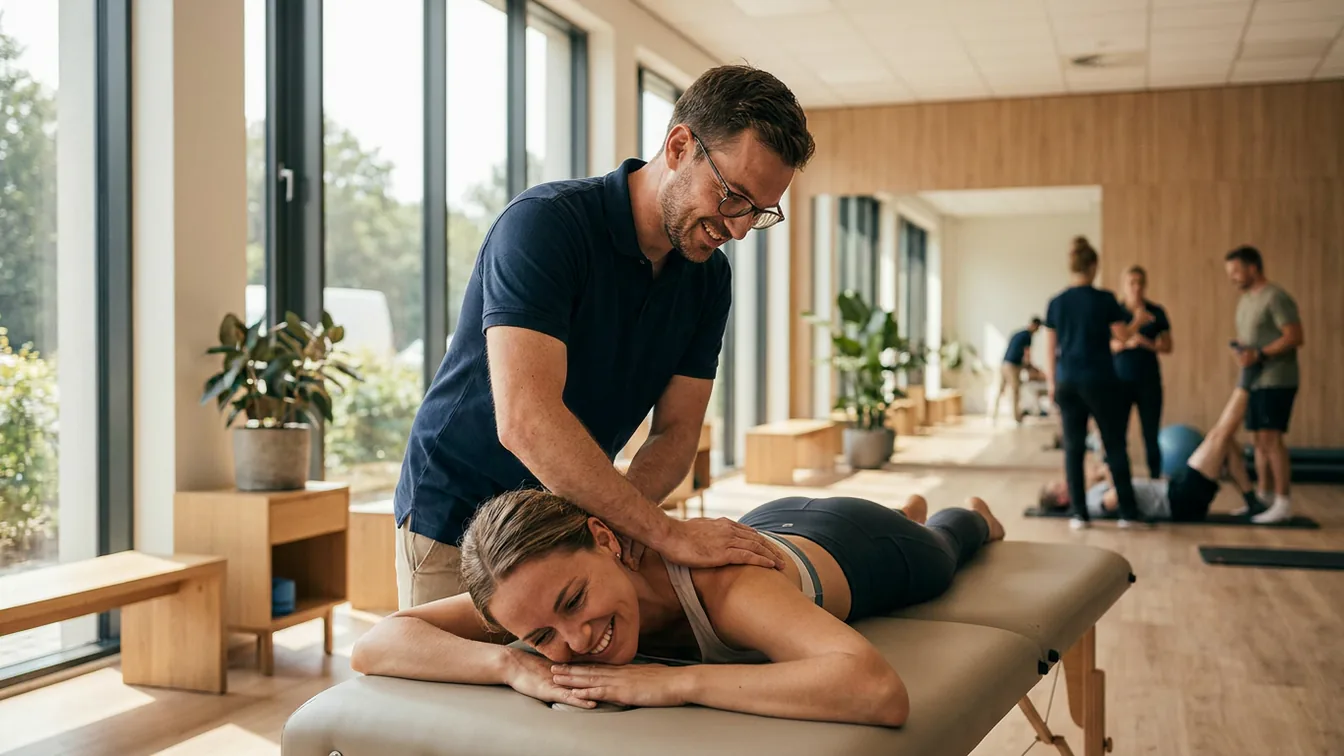
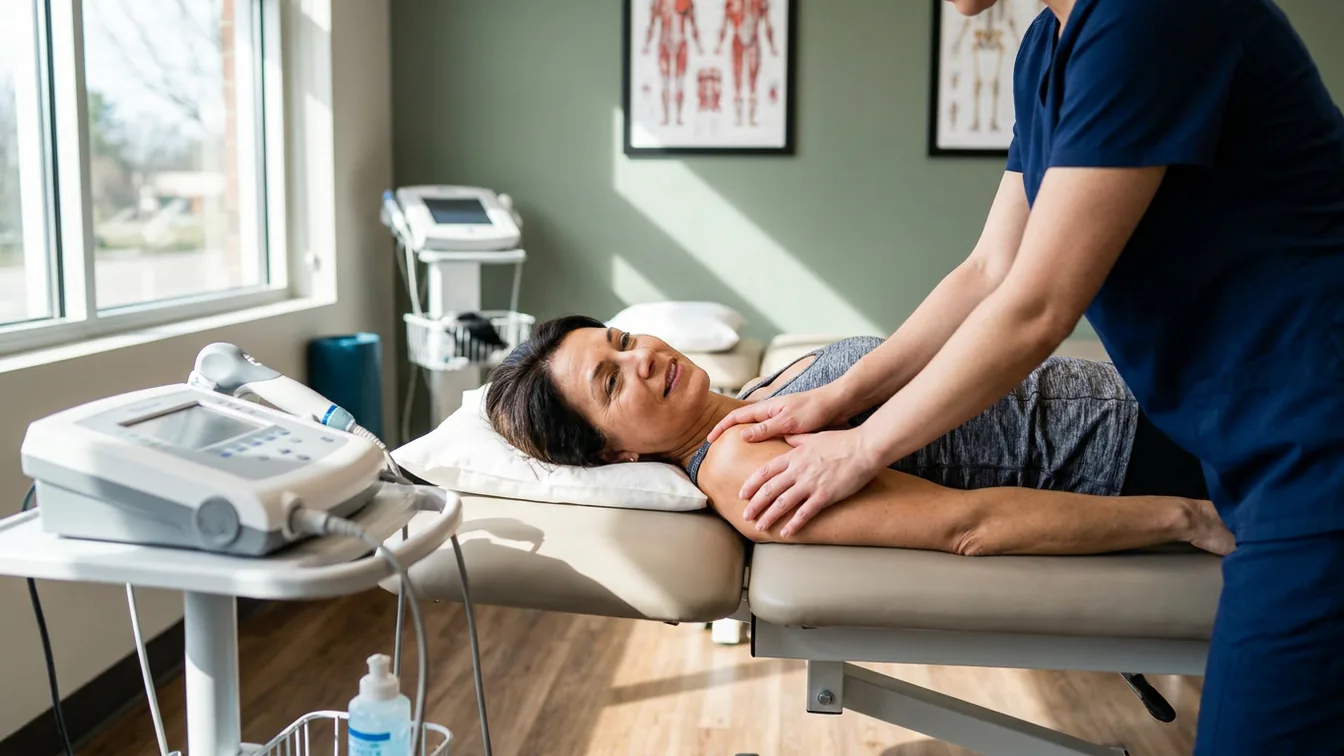
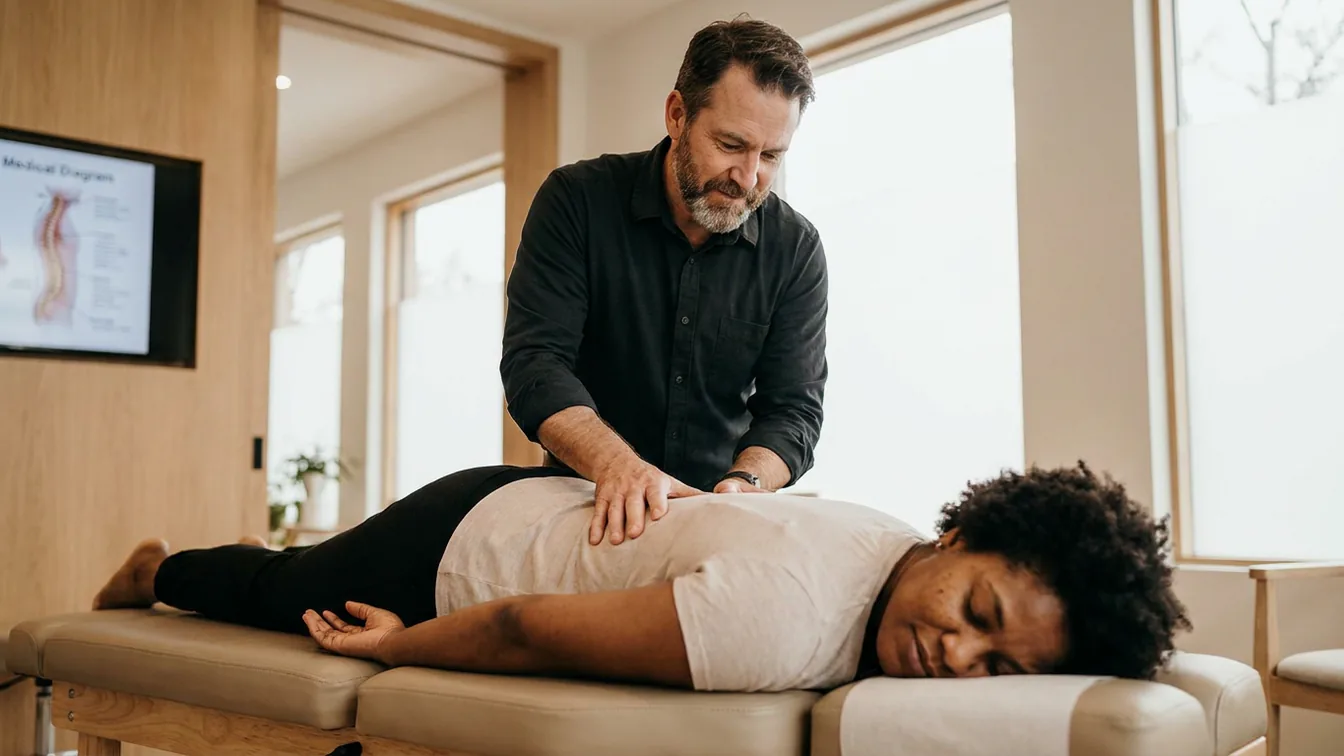
Modern rehabilitation approaches combine traditional therapeutic methods with cutting-edge techniques to maximize outcomes for spinal stenosis patients. Manual therapy techniques, including spinal mobilization and soft tissue work, help improve joint mobility and reduce muscle tension that can contribute to symptoms. These hands-on treatments often provide immediate relief while supporting longer-term improvements in spinal function.
Neuromuscular re-education represents another powerful tool in the rehabilitation arsenal. This approach focuses on retraining movement patterns and improving coordination between different muscle groups. For individuals with spinal stenosis, learning to move efficiently can significantly reduce symptom flare-ups and improve overall quality of life.
Traction therapy, whether performed manually or with specialized equipment, can provide targeted decompression of affected spinal segments. This technique gently separates vertebrae, creating more space for compressed nerves and often delivering immediate symptom relief. Many patients find that regular traction sessions help them maintain the gains achieved through other rehabilitation interventions.
Activity modification and ergonomic training ensure that the improvements gained through formal therapy sessions translate into better function during daily activities. This might involve learning new techniques for household tasks, workplace modifications, or strategies for managing symptoms during recreational activities.
Creating Sustainable Lifestyle Changes for Long-Term Success
The most effective rehabilitation programs extend beyond the clinic walls to encompass comprehensive lifestyle modifications that support spinal health. Education about proper body mechanics during lifting, sitting, and sleeping helps prevent symptom exacerbations and protects the progress made through formal treatment.
Weight management often becomes an important component of comprehensive care, as excess body weight increases the load on spinal structures. Rehabilitation professionals can provide guidance on safe, appropriate exercise programs that support weight loss goals while respecting the limitations imposed by spinal stenosis.
Sleep optimization frequently receives attention in holistic rehabilitation programs. Poor sleep quality can increase pain sensitivity and reduce the body's natural healing capacity. Learning proper sleep positioning, selecting appropriate mattresses and pillows, and developing healthy sleep hygiene habits all contribute to better outcomes.
Stress management techniques, including relaxation training and mindfulness practices, help address the psychological components of chronic pain. Tennessee residents dealing with spinal stenosis often find that learning to manage stress effectively reduces their overall symptom burden and improves their response to physical treatments.
Nutritional counseling may also play a role in comprehensive rehabilitation programs. Anti-inflammatory dietary approaches can help reduce systemic inflammation that may contribute to pain and slow healing. Proper hydration and nutrition support optimal tissue health and recovery from therapeutic interventions.
Building Your Personal Recovery Plan
Successful rehabilitation requires an individualized approach that considers your specific symptoms, functional limitations, and personal goals. The process typically begins with a comprehensive evaluation that assesses not only your spinal stenosis symptoms but also your overall movement patterns, strength, flexibility, and functional capacity.
Goal setting forms a crucial early step in the rehabilitation process. Whether your primary objective is returning to recreational activities, improving your ability to perform household tasks, or simply walking without pain, having clear, measurable goals helps guide treatment decisions and track progress over time.
Progressive exercise prescription ensures that your rehabilitation program evolves as your condition improves. Starting with gentle movements and gradually advancing to more challenging activities helps build strength and endurance while minimizing the risk of symptom flare-ups. This progression must be carefully managed by experienced professionals who understand the unique challenges of spinal stenosis.
Home exercise programs extend the benefits of supervised therapy sessions and help maintain improvements over time. Learning to perform key exercises correctly at home empowers you to take an active role in your recovery and provides tools for managing symptoms independently.
Regular monitoring and program adjustments ensure that your rehabilitation plan remains effective as your condition changes. Spinal stenosis symptoms can fluctuate over time, and successful long-term management requires ongoing assessment and treatment modifications as needed.
Many Cleveland residents have discovered that working with experienced rehabilitation professionals at Cleveland Non-Surgical provides the comprehensive approach needed to achieve lasting relief from spinal stenosis symptoms. The combination of advanced treatment techniques, personalized exercise programs, and ongoing support creates an environment where meaningful improvement becomes possible.
If you're ready to explore how physical rehabilitation can provide lasting relief for your spinal stenosis, consider scheduling a consultation with qualified professionals who understand the complexities of this condition. Located at 1590 Clingan Ridge Drive, Cleveland, TN 37312, our team specializes in helping adults achieve their health and wellness goals through natural, evidence-based approaches. Don't let spinal stenosis limit your life – take the first step toward lasting relief and improved function today.