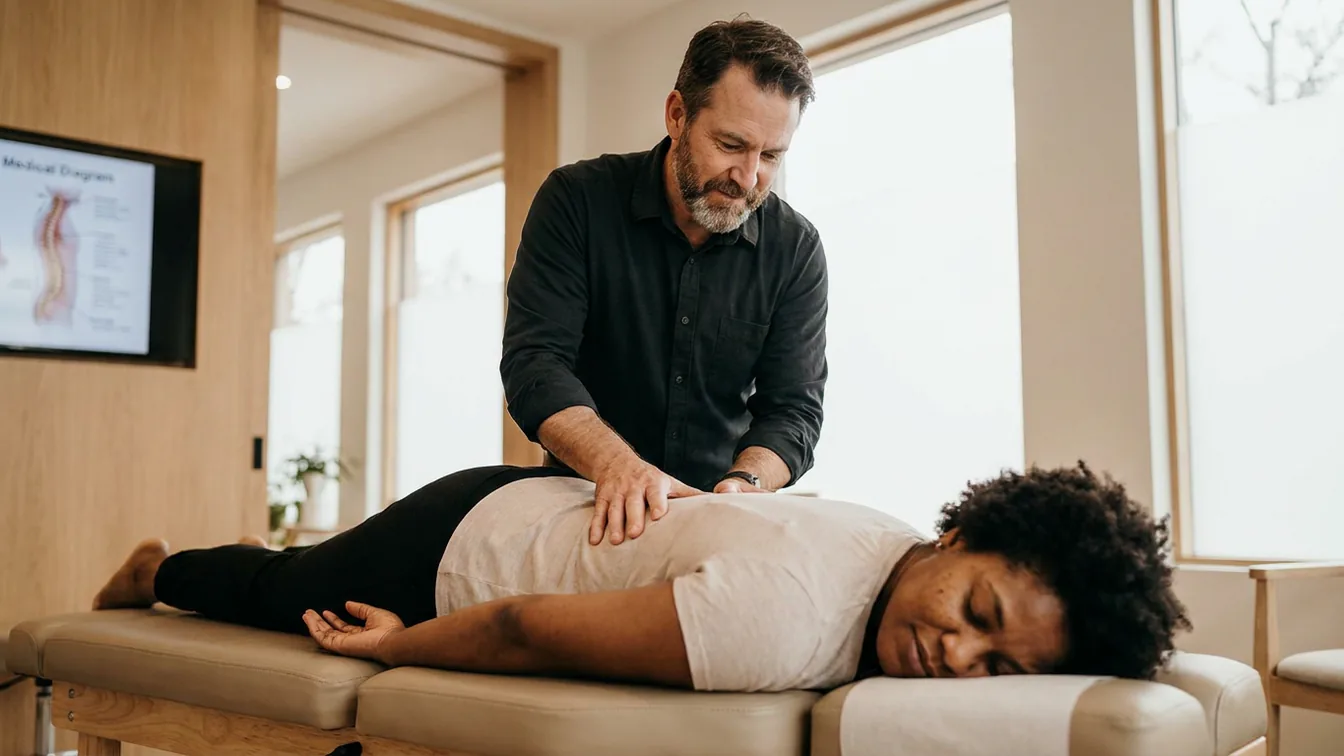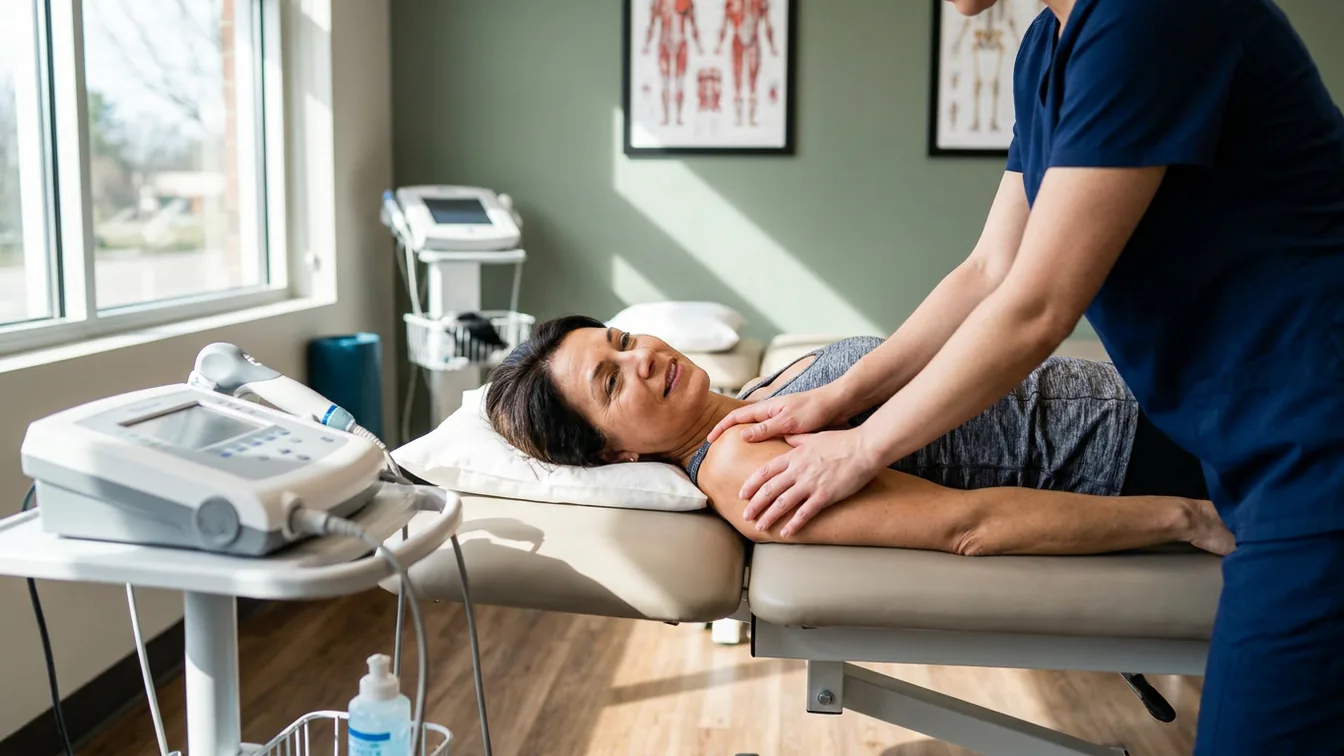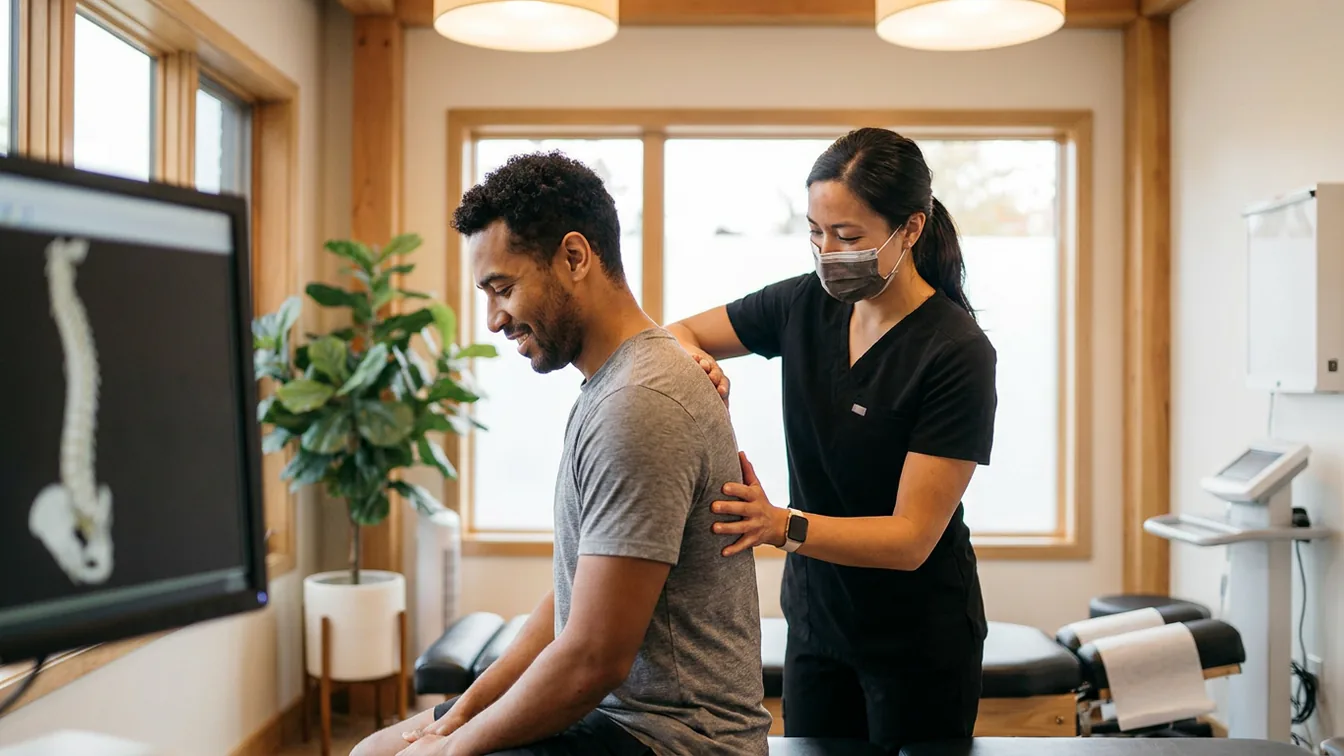
Living with a herniated disc can feel overwhelming, especially when every movement sends shooting pain through your body. While most people think of spinal adjustments when considering chiropractic care for disc problems, there's another valuable approach that many Cleveland residents are discovering: extremity adjustments. But can adjusting your arms, legs, and other extremities actually help with herniated disc pain?
The answer might surprise you. The human body operates as an interconnected system, and when one area is compromised, other parts often compensate in ways that can either help or hinder your recovery. Understanding how extremity adjustments fit into a comprehensive treatment plan for herniated discs can open new pathways to relief and healing.
Understanding the Connection Between Extremities and Spinal Health
A herniated disc occurs when the soft inner core of a spinal disc pushes through the tough outer layer, potentially pressing on nearby nerves. This condition typically affects the neck or lower back and can cause pain, numbness, tingling, and weakness that often radiates into the arms or legs.
Here's where extremity adjustments become relevant: when you're dealing with herniated disc pain, your body naturally alters its movement patterns to avoid discomfort. You might favor one leg over the other, hold your arm differently, or shift your weight in ways that feel protective but actually create new problems.
These compensatory movements can lead to:
- Joint restrictions in your shoulders, hips, knees, or ankles
- Muscle imbalances that pull on your spine
- Reduced range of motion that affects your overall mobility
- Secondary pain points that compound your original disc problem
Extremity adjustments address these compensation patterns by restoring proper joint function throughout your body. When your shoulders, hips, and other joints move freely, it reduces the stress on your spine and creates an environment more conducive to healing.
For Cleveland residents seeking comprehensive care, this whole-body approach recognizes that your herniated disc doesn't exist in isolation. Your ankle mobility affects your knee alignment, which influences your hip position, which impacts your spinal mechanics. By addressing restrictions in your extremities, practitioners can help restore the natural balance your body needs to support recovery.
The Science Behind Extremity Adjustments for Disc Conditions
Research in biomechanics shows us that the body functions as a kinetic chain, where movement at one joint influences movement at adjacent and even distant joints. This concept, known as regional interdependence, forms the scientific foundation for using extremity adjustments in herniated disc treatment.
Consider how a hip restriction might affect someone with a lumbar herniated disc. When hip mobility is limited, the lower back often compensates by moving more than it should. This extra motion can increase pressure on an already vulnerable disc and slow the healing process. By restoring normal hip function through targeted adjustments, you can reduce the excessive demand on your lumbar spine.
Similarly, shoulder and neck relationships play crucial roles in cervical disc conditions. Poor shoulder blade positioning can alter neck mechanics, potentially aggravating a cervical herniated disc. Extremity adjustments that improve shoulder function often lead to reduced neck pain and better overall outcomes.
The nervous system also plays a vital role in this process. Extremity adjustments can help normalize nerve function by:
- Reducing nerve compression at peripheral joints
- Improving circulation to affected areas
- Decreasing overall nervous system irritation
- Enhancing the body's natural pain-relieving mechanisms
When peripheral nerves function optimally, it can reduce the overall stress on your nervous system, potentially providing relief even for centrally located problems like herniated discs.
Cleveland Non-Surgical and similar practices often incorporate this understanding into their treatment protocols, recognizing that addressing extremity dysfunction can significantly impact spinal health outcomes.
Practical Applications and Treatment Approaches
Extremity adjustments for herniated disc conditions aren't one-size-fits-all treatments. The specific approach depends on your individual presentation, the location of your disc problem, and the compensation patterns your body has developed.
For lumbar herniated discs, practitioners often focus on:
Hip and Pelvis Adjustments: Restoring proper hip joint mechanics can dramatically reduce lower back stress. This includes addressing restrictions in hip flexion, extension, and rotation that commonly develop when people guard against back pain.
Ankle and Foot Corrections: Poor ankle mobility forces compensation up the kinetic chain. Ensuring your ankles move properly helps maintain better alignment throughout your legs and pelvis.
Knee Alignment: While knees don't typically require direct adjustment, addressing surrounding tissue restrictions and ensuring proper tracking can prevent compensatory stress on your lower back.
For cervical herniated discs, the focus shifts to:
Shoulder Complex Mobilization: This includes adjustments to the shoulder blade position, shoulder joint mechanics, and the relationship between your shoulders and neck.
Rib Adjustments: Upper rib restrictions can significantly affect neck movement and breathing patterns, both crucial for cervical disc recovery.
Elbow and Wrist Considerations: When neck pain limits arm use, elbow and wrist restrictions can develop, creating a cycle of compensation that perpetuates the problem.
The treatment process typically involves a thorough assessment to identify which extremity restrictions are contributing to your specific condition. Your practitioner will evaluate how you move, where you hold tension, and which joints aren't functioning optimally.
Many Cleveland residents find that combining extremity adjustments with other conservative treatments creates the most comprehensive approach. This might include specific exercises to maintain the improvements gained through adjustments, lifestyle modifications to prevent re-injury, and education about proper body mechanics.
What to Expect and Realistic Outcomes
If you're considering extremity adjustments as part of your herniated disc treatment plan, it's important to have realistic expectations about the process and potential outcomes.
Extremity adjustments are typically more comfortable than spinal adjustments, especially when you're dealing with acute disc pain. Many people find them surprisingly relaxing and are amazed at how much better they feel when restrictions in their arms or legs are addressed.
The timeline for improvement varies significantly based on:
- How long you've had your herniated disc
- The severity of your condition
- How many compensation patterns have developed
- Your overall health and activity level
- How well you follow through with recommended exercises and lifestyle changes
Some Cleveland residents notice immediate improvements in comfort and mobility after extremity adjustments, while others experience more gradual changes over several weeks. It's common to feel some soreness for a day or two after treatment as your body adjusts to moving differently.
Important considerations include understanding that extremity adjustments work best as part of a comprehensive treatment plan. While they can provide significant benefits, they're not a standalone cure for herniated discs. The most successful outcomes typically occur when extremity work is combined with appropriate spinal care, exercise, and lifestyle modifications.
It's also worth noting that not everyone with a herniated disc will benefit equally from extremity adjustments. Your individual anatomy, the specific location and severity of your disc problem, and your body's particular compensation patterns all influence how helpful this approach will be for your situation.
Moving Forward with Comprehensive Care
The relationship between extremity function and spinal health represents an evolving understanding of how the body heals and adapts. For many people dealing with herniated disc pain, addressing restrictions and dysfunctions throughout the body – not just at the site of injury – provides the most complete path to recovery.
Here in Cleveland, Tennessee, residents have access to practitioners who understand these complex relationships and can develop treatment plans that address your whole body, not just your symptoms. This comprehensive approach often leads to not only better pain relief but also improved overall function and reduced risk of future problems.
If you're struggling with herniated disc pain and haven't found complete relief with traditional approaches, exploring how extremity adjustments might fit into your treatment plan could open new possibilities for healing. The interconnected nature of your body means that solutions sometimes come from unexpected places.
Whether you're dealing with a new disc injury or managing chronic symptoms, consider consulting with a healthcare provider who understands the role of extremity function in spinal health. Cleveland Non-Surgical, located at 1590 Clingan Ridge Drive, Cleveland, TN 37312, represents the type of comprehensive approach that considers how your entire body contributes to your healing process.
Remember, your journey to recovery is unique, and what works best for you may be different from what helps others. The key is finding practitioners who take the time to understand your specific situation and develop a treatment plan that addresses all the factors contributing to your condition.