If you're experiencing tingling, numbness, or pain in your hands and wrists, you're not alone. Carpal tunnel syndrome affects millions of Americans each year, and Cleveland residents are increasingly seeking natural, effective treatment options that don't rely solely on surgery or medication. This comprehensive guide will help you understand carpal tunnel syndrome and explore the various treatment approaches available right here in Cleveland, Tennessee.
Understanding Carpal Tunnel Syndrome: More Than Just Computer Use
Carpal tunnel syndrome occurs when the median nerve, which runs through a narrow passageway in your wrist called the carpal tunnel, becomes compressed or irritated. While many people associate this condition exclusively with computer work, the reality is far more complex. The carpal tunnel houses not only the median nerve but also nine tendons that control finger movement. When inflammation occurs in this confined space, it creates pressure that leads to the characteristic symptoms of carpal tunnel syndrome.
The symptoms typically begin gradually and may include numbness or tingling in the thumb, index, middle, and ring fingers. Many Cleveland residents report that these sensations are particularly noticeable at night or upon waking in the morning. As the condition progresses, you might experience weakness in your grip, difficulty with fine motor tasks like buttoning clothes, or a tendency to drop objects unexpectedly.
Several factors contribute to the development of carpal tunnel syndrome beyond repetitive hand motions. Hormonal changes during pregnancy or menopause can increase fluid retention, leading to swelling in the carpal tunnel. Medical conditions such as diabetes, rheumatoid arthritis, and thyroid disorders also increase your risk. Additionally, wrist anatomy varies among individuals, and some people naturally have smaller carpal tunnels that are more prone to nerve compression.
Understanding these underlying causes is crucial because effective treatment often requires addressing the root problem rather than just managing symptoms. This holistic approach to carpal tunnel syndrome treatment has become increasingly popular among healthcare providers and patients in Cleveland, TN, who are seeking sustainable, long-term solutions.
Natural Treatment Approaches: Beyond the Surgical Solution
Many Cleveland residents are surprised to learn that carpal tunnel syndrome often responds well to conservative, non-surgical treatments, especially when caught early. These natural approaches focus on reducing inflammation, improving nerve function, and addressing underlying mechanical issues that contribute to nerve compression.
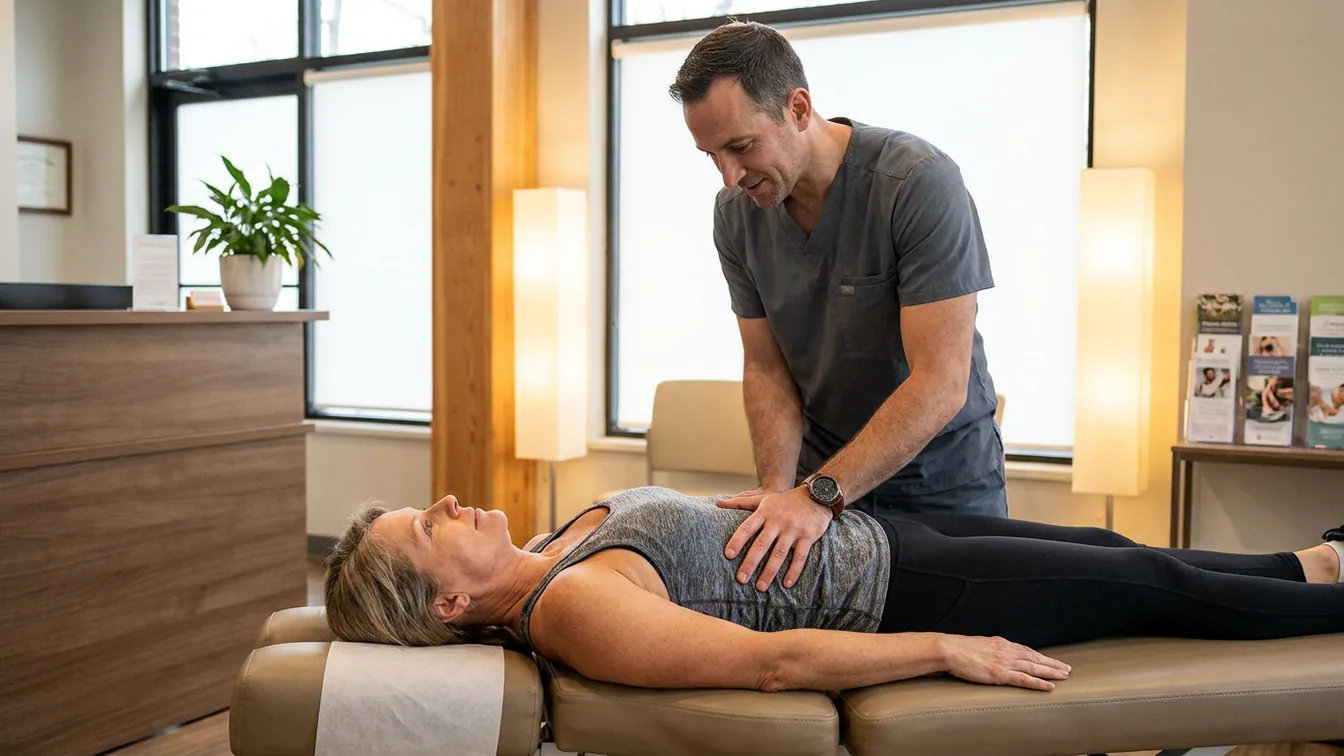
Chiropractic care has emerged as a particularly effective treatment option for carpal tunnel syndrome. Chiropractors understand that nerve compression in the wrist can actually stem from misalignments or restrictions in the spine, particularly in the cervical and thoracic regions. When vertebrae in your neck or upper back are out of proper alignment, it can affect nerve pathways that extend all the way down to your hands and fingers. By addressing these spinal issues, many patients experience significant improvement in their carpal tunnel symptoms.
Specific chiropractic techniques for carpal tunnel syndrome include gentle adjustments to the wrist, elbow, and shoulder joints, as well as spinal corrections to ensure proper nerve communication. Soft tissue therapies, such as Active Release Technique (ART) and myofascial release, help break up scar tissue and adhesions that may be contributing to nerve compression. These treatments are particularly effective because they address the interconnected nature of your body's musculoskeletal system.
Ergonomic modifications represent another crucial component of natural carpal tunnel treatment. This goes beyond simply adjusting your computer setup, though proper workstation ergonomics remain important. Cleveland Non-Surgical practitioners often recommend comprehensive ergonomic assessments that consider your entire work environment, sleep position, and daily activities. Simple changes like adjusting your keyboard height, using ergonomic tools, or modifying how you perform repetitive tasks can significantly reduce stress on the carpal tunnel.
Therapeutic exercises and stretches play a vital role in both treating and preventing carpal tunnel syndrome. Nerve gliding exercises help the median nerve move more freely through the carpal tunnel, reducing adhesions and improving function. Tendon gliding exercises promote better movement of the flexor tendons, reducing congestion in the tunnel. Strengthening exercises for the hands, wrists, and forearms help create better muscular balance and support for the structures around the carpal tunnel.
Advanced Conservative Therapies and Lifestyle Modifications
Beyond basic conservative care, several advanced therapeutic approaches have shown remarkable success in treating carpal tunnel syndrome naturally. Cold laser therapy, also known as low-level laser therapy, uses specific wavelengths of light to reduce inflammation and promote healing at the cellular level. This painless treatment can help decrease swelling in the carpal tunnel while stimulating the body's natural healing processes.
Ultrasound therapy represents another valuable tool in the conservative treatment arsenal. Therapeutic ultrasound uses sound waves to create gentle heat deep within the tissues, promoting increased blood flow and reducing inflammation. When applied to the carpal tunnel area, ultrasound can help decrease swelling and promote healing of irritated nerve tissue.
Nutritional interventions often play a crucial but overlooked role in carpal tunnel syndrome treatment. Anti-inflammatory nutrients such as omega-3 fatty acids, turmeric, and vitamin B6 can help reduce systemic inflammation that contributes to nerve compression. Many Cleveland residents have found that addressing underlying nutritional deficiencies, particularly B vitamins that are essential for nerve health, significantly improves their symptoms.
Sleep positioning and nighttime splinting deserve special attention, as many people with carpal tunnel syndrome experience worse symptoms at night. During sleep, we often flex our wrists unconsciously, which increases pressure in the carpal tunnel. Neutral wrist splints worn during sleep can help maintain proper wrist position and reduce nighttime symptoms. However, it's important to use splints correctly and not become overly dependent on them, as the goal is to restore natural function.
Stress management also plays a significant role in carpal tunnel syndrome treatment. Chronic stress increases inflammation throughout the body and can exacerbate nerve compression symptoms. Techniques such as deep breathing exercises, meditation, and regular physical activity can help reduce stress-related inflammation and support the body's healing processes.
Creating Your Personalized Treatment Plan
Successful carpal tunnel syndrome treatment requires a personalized approach that considers your specific symptoms, lifestyle factors, and underlying health conditions. What works for one person may not be the best approach for another, which is why comprehensive evaluation is so important.
The first step in developing an effective treatment plan involves a thorough assessment of your condition. This includes not only examining your wrists and hands but also evaluating your posture, spinal alignment, and overall musculoskeletal health. Many cases of carpal tunnel syndrome involve contributing factors from other areas of the body, and addressing these underlying issues is essential for long-term success.
Timing is crucial when it comes to carpal tunnel syndrome treatment. Early intervention with conservative approaches is much more likely to be successful than waiting until symptoms become severe. If you're experiencing persistent numbness, tingling, or pain in your hands, don't wait for the symptoms to worsen. Cleveland residents who seek treatment early often avoid the need for more invasive interventions later.
Monitoring progress is an important part of any treatment plan. Keep track of your symptoms, noting when they're better or worse, what activities seem to trigger them, and how well various treatments are working. This information helps your healthcare provider adjust your treatment plan as needed to maximize results.
It's also important to have realistic expectations about recovery time. While some people experience improvement within a few weeks of starting treatment, carpal tunnel syndrome that has been present for months or years may take several months to resolve completely. Consistency with your treatment plan and recommended exercises is key to achieving the best possible outcomes.
Taking Action for Your Hand Health
Carpal tunnel syndrome doesn't have to limit your daily activities or force you into surgical intervention. With the right combination of natural treatments, lifestyle modifications, and professional care, most people can achieve significant improvement in their symptoms and return to pain-free function.
If you're dealing with carpal tunnel syndrome symptoms here in Cleveland, Tennessee, consider exploring the comprehensive, natural treatment options available. Cleveland Non-Surgical, located at 1590 Clingan Ridge Drive, Cleveland, TN 37312, specializes in helping patients overcome carpal tunnel syndrome using safe, effective, non-surgical approaches. Don't let hand and wrist pain control your life – take the first step toward recovery by seeking professional evaluation and developing a personalized treatment plan that addresses your unique needs and goals.