Back pain affects millions of Americans every year, with studies showing that up to 80% of adults will experience significant back pain at some point in their lives. While many people wait until pain strikes to seek help, the most effective approach is preventing back pain before it starts. By taking proactive steps today, you can significantly reduce your risk of developing the chronic back issues that plague so many adults.
The reality is that most back pain is preventable through proper lifestyle choices, awareness of risk factors, and consistent healthy habits. Here in Cleveland, we see countless patients who could have avoided their painful conditions with the right preventive strategies. The good news is that it's never too late to start implementing protective measures for your spine health.
Understanding Your Spine's Vulnerability
Your spine is a complex structure consisting of 33 vertebrae, numerous muscles, ligaments, tendons, and intervertebral discs that work together to support your body weight and enable movement. This intricate system is remarkably resilient, yet it's also susceptible to injury when subjected to repeated stress, poor positioning, or sudden trauma.
The most common causes of back pain include muscle strain, herniated discs, arthritis, and structural abnormalities. However, many of these conditions develop gradually over time due to factors within our control. Poor posture, sedentary lifestyles, improper lifting techniques, and muscle imbalances are significant contributors that we can address through preventive measures.
Many Cleveland residents are surprised to learn that their daily habits – from how they sit at work to how they sleep at night – play a crucial role in their spinal health. The cumulative effect of these seemingly minor activities can either protect or predispose your back to injury. Understanding this connection empowers you to make informed choices that support long-term spine health.
Age-related changes in the spine are natural, but the severity and impact of these changes can be influenced by how well we care for our backs throughout our lives. Starting prevention strategies early provides the best outcomes, but implementing these practices at any age can provide meaningful benefits.
Essential Daily Habits for Spine Protection
Preventing back pain before it starts requires consistency in several key areas of daily life. Your posture throughout the day significantly impacts spinal alignment and muscle balance. When sitting, keep your feet flat on the floor, maintain the natural curve of your lower back, and position your computer screen at eye level to avoid forward head posture.
Proper lifting mechanics are crucial for protecting your spine from acute injury. Always bend at your knees rather than your waist, keep the object close to your body, and avoid twisting while lifting. Even when lifting light objects, maintaining these principles helps train proper movement patterns and prevents accumulated stress on spinal structures.
Your sleeping position and mattress quality directly affect spinal alignment during the hours your body repairs itself. A mattress that's too soft or too firm can force your spine into unnatural positions, leading to morning stiffness and long-term problems. Side sleepers should place a pillow between their knees, while back sleepers benefit from a pillow under their knees to maintain proper spinal curves.
Workplace ergonomics deserve special attention, particularly for Tennessee residents who spend long hours at desks. Take regular breaks to stand and move, adjust your chair height so your thighs are parallel to the floor, and use proper lumbar support. Simple changes to your workspace setup can prevent the gradual development of postural problems that lead to chronic pain.
Stress management plays an often-overlooked role in back health. Chronic stress causes muscle tension, particularly in the neck, shoulders, and back. Incorporating relaxation techniques, adequate sleep, and stress-reduction activities into your routine helps maintain muscle flexibility and reduces pain sensitivity.
Exercise and Strengthening Strategies
Regular exercise is one of the most effective ways of preventing back pain before it starts. A well-rounded fitness program should include cardiovascular exercise, strength training, and flexibility work. Each component contributes to spinal health in different ways, creating a comprehensive approach to prevention.
Core strengthening deserves particular emphasis, as these muscles provide crucial support for your spine during daily activities. Your core includes not just your abdominal muscles, but also your back muscles, pelvic floor, and diaphragm. Exercises like planks, bird dogs, and dead bugs effectively target these stabilizing muscles without placing excessive stress on the spine.
Flexibility and mobility work help maintain proper joint function and muscle length. Tight hip flexors, hamstrings, and thoracic spine can alter your posture and place additional stress on your lower back. Regular stretching, yoga, or mobility exercises can address these imbalances before they lead to pain.
Cardiovascular exercise improves blood flow to spinal structures, promoting healing and maintaining tissue health. Low-impact activities like walking, swimming, or cycling are excellent choices that provide cardiovascular benefits without excessive spinal stress. Cleveland residents have access to numerous walking trails and recreational facilities that make regular exercise enjoyable and sustainable.
Strength training should focus on functional movements that mirror daily activities. Exercises like squats, deadlifts (with proper form), and rows help build the strength needed to handle real-world demands on your spine. Working with a qualified fitness professional initially can ensure you're using proper form and progressing appropriately.
Lifestyle Factors and Long-term Prevention
Nutrition plays a supporting role in spine health through its effects on inflammation, bone density, and tissue repair. A diet rich in anti-inflammatory foods like leafy greens, fatty fish, and berries can help reduce systemic inflammation that contributes to pain. Adequate calcium and vitamin D support bone health, while sufficient protein provides the building blocks for muscle maintenance and repair.
Maintaining a healthy weight reduces the mechanical stress on your spine, particularly in the lower back region. Excess weight, especially around the midsection, shifts your center of gravity forward and increases the curve in your lower back. Even modest weight loss can provide significant relief for your spinal structures.
Hydration affects the health of your intervertebral discs, which rely on proper fluid levels to maintain their shock-absorbing properties. These discs are approximately 80% water, and dehydration can contribute to disc degeneration over time. Aim for adequate water intake throughout the day to support optimal disc health.
Smoking cessation is crucial for spine health, as tobacco use impairs blood flow to spinal structures and interferes with the healing process. Smokers have higher rates of disc degeneration and slower recovery from back injuries. If you're a smoker in Cleveland, numerous resources are available to help you quit and improve your overall health.
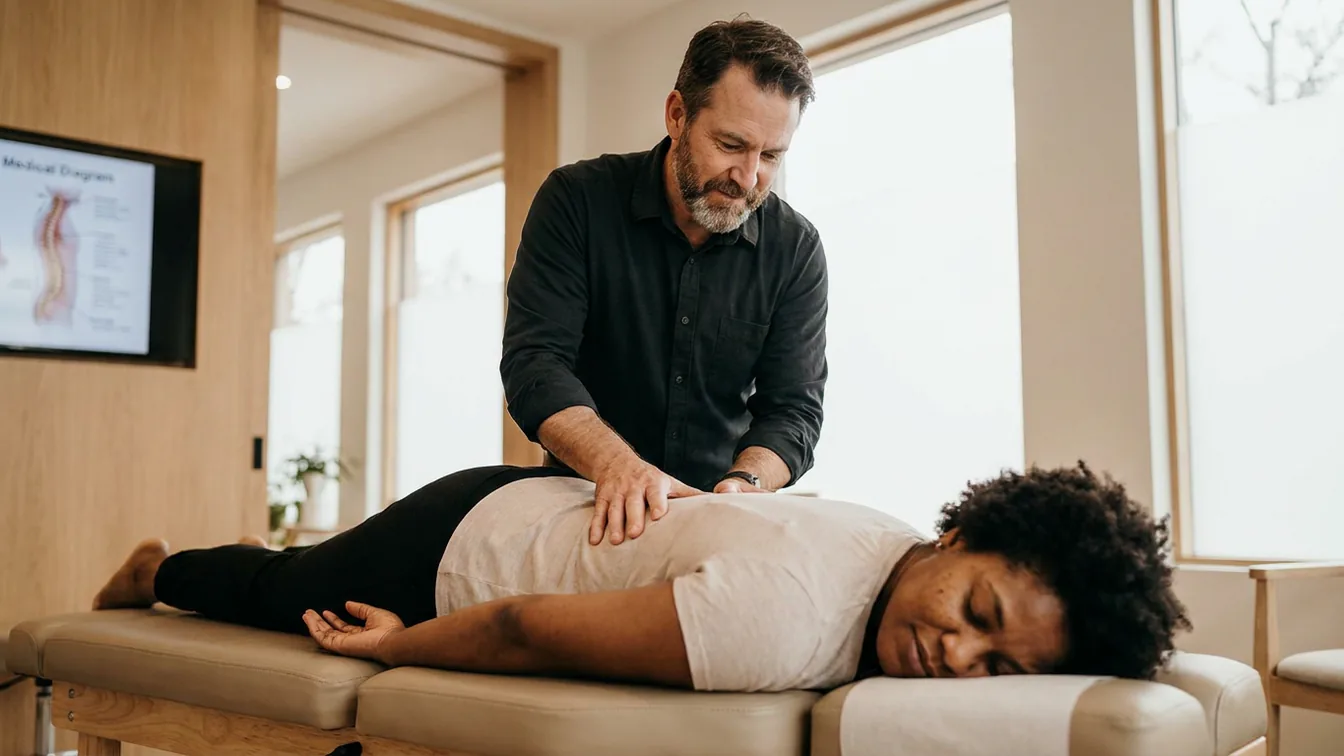
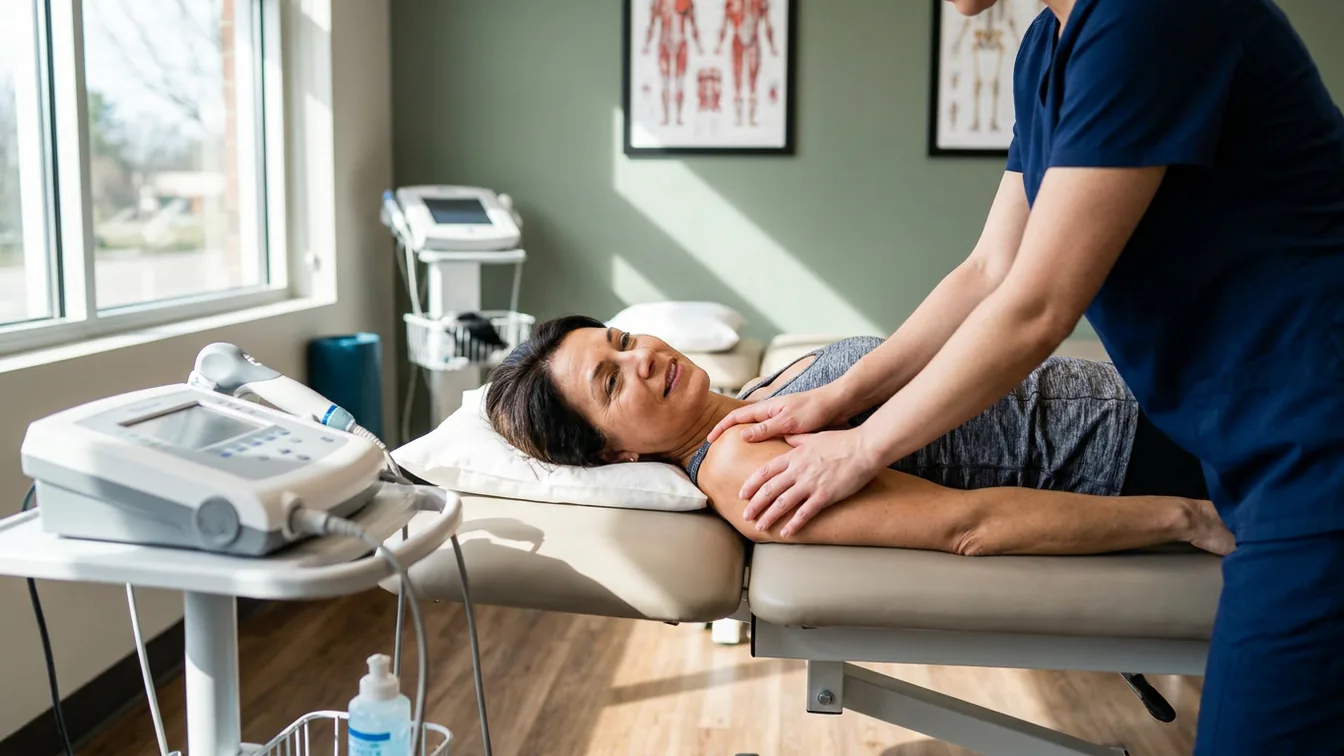
Regular check-ups with healthcare providers can identify potential problems before they become painful conditions. Professional assessment can reveal muscle imbalances, postural problems, or early signs of structural changes that warrant attention. Early intervention is always more effective than treating established pain patterns.
Taking Action for Your Spine Health
Preventing back pain before it starts requires a proactive approach that addresses multiple aspects of your health and lifestyle. The strategies outlined above work best when implemented consistently over time, rather than sporadically when you remember or feel motivated.
Start by choosing one or two areas where you can make immediate improvements, such as improving your workstation setup or beginning a simple core strengthening routine. Gradually add additional preventive measures as these become habits. Remember that small, consistent changes often produce better long-term results than dramatic but unsustainable modifications.
Pay attention to your body's signals and address minor discomfort before it develops into significant pain. Early morning stiffness, fatigue after sitting, or mild aching after activity can be early warning signs that warrant attention.
If you're experiencing any back discomfort or want to develop a personalized prevention plan, the healthcare professionals at Cleveland Non-Surgical can provide expert guidance tailored to your specific needs and risk factors. Our team understands the unique challenges facing Cleveland residents and can help you implement effective strategies for maintaining optimal spine health. Contact us at 1590 Clingan Ridge Drive, Cleveland, TN 37312 to schedule a consultation and take the first step toward a pain-free future.
Investing in prevention today can save you from the physical discomfort, activity limitations, and healthcare costs associated with chronic back pain. Your spine supports you every day – make sure you're supporting it in return through thoughtful, consistent preventive care.