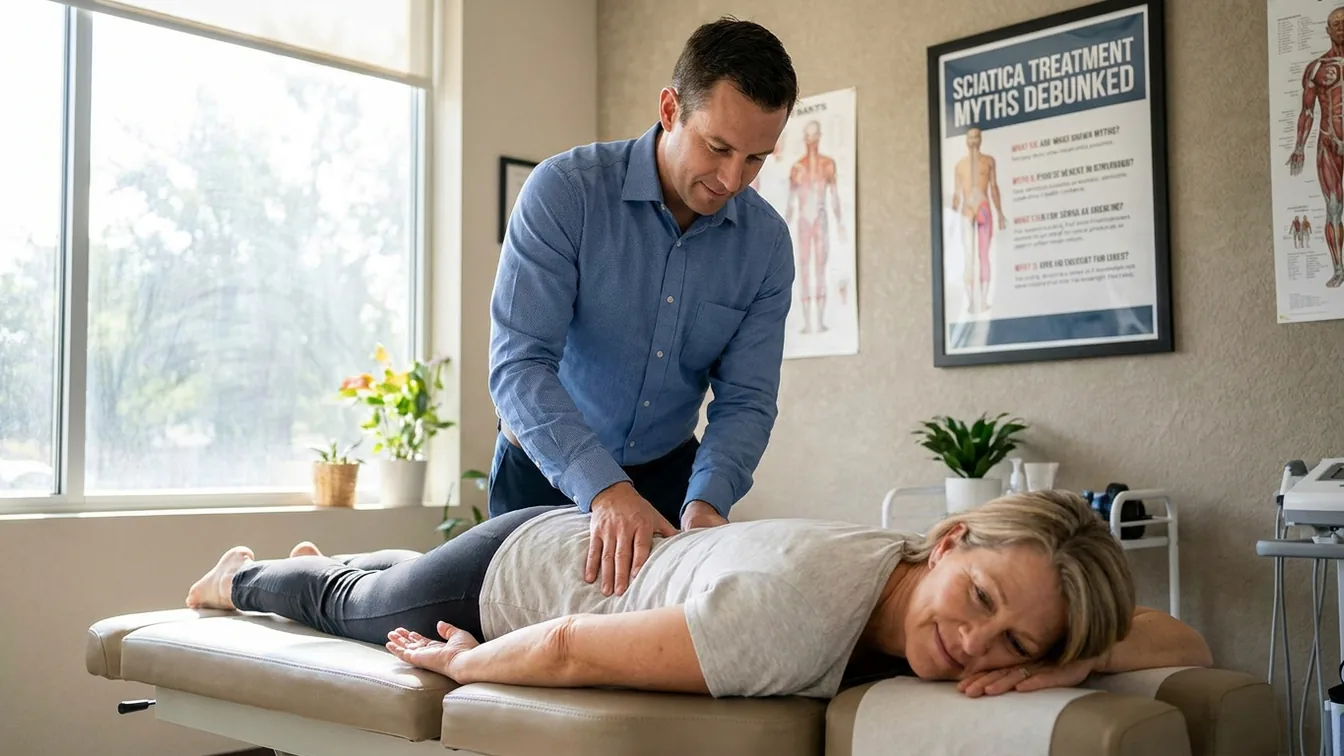
Sciatica affects millions of people worldwide, yet despite its prevalence, numerous myths and misconceptions continue to circulate about its treatment. These false beliefs can prevent individuals from seeking appropriate care, delay recovery, and sometimes even worsen symptoms. If you're among the many Cleveland residents dealing with sciatic pain, understanding the facts versus fiction about treatment options is crucial for your journey toward relief.
The shooting pain, numbness, and tingling that characterize sciatica can be debilitating, affecting everything from your ability to work to your quality of sleep. Unfortunately, well-meaning friends, outdated information online, and even some healthcare providers may perpetuate myths that could steer you away from effective treatment approaches. By examining these common misconceptions and revealing the truth behind them, we can help you make informed decisions about your care and find the relief you deserve.
Myth 1: Complete Bed Rest Is the Best Treatment for Sciatica
One of the most persistent myths about sciatica treatment is that complete bed rest will cure the condition. Many people believe that staying in bed for days or weeks will allow their back to heal naturally. However, research consistently shows that prolonged bed rest can actually make sciatica symptoms worse and delay recovery.
The truth is that gentle movement and appropriate activity are essential for sciatica recovery. When you remain sedentary for extended periods, your muscles weaken, your joints become stiff, and circulation decreases. This combination can intensify pain and prolong your recovery time. Instead of complete bed rest, healthcare professionals now recommend a balanced approach that includes short periods of rest combined with gentle movement and specific exercises.
Cleveland residents dealing with sciatica should focus on staying as active as possible within their comfort limits. Simple activities like walking, gentle stretching, and basic daily tasks can help maintain muscle strength and flexibility while promoting healing. The key is finding the right balance between rest and activity, which varies from person to person depending on the severity of their symptoms.
Modern treatment approaches emphasize early mobilization, meaning patients are encouraged to resume normal activities as soon as possible. This doesn't mean ignoring pain or pushing through severe discomfort, but rather gradually increasing activity levels as symptoms improve. Physical therapy, chiropractic care, and other movement-based therapies have proven far more effective than bed rest alone.
Myth 2: Surgery Is the Only Effective Long-Term Solution
Another common misconception is that surgery represents the only path to lasting sciatica relief. This myth often develops because some patients become frustrated with conservative treatments that don't provide immediate results, leading them to believe that surgical intervention is inevitable.
In reality, the vast majority of sciatica cases resolve with non-surgical treatment methods. Studies indicate that approximately 80-90% of people with sciatica experience significant improvement without requiring surgery. Non-surgical approaches include chiropractic care, physical therapy, massage therapy, acupuncture, and various pain management techniques.
The effectiveness of non-surgical treatment debunks the myth that surgery is always necessary. Many patients in Cleveland, TN have found substantial relief through comprehensive conservative care programs that address not just the symptoms but also the underlying causes of their sciatica. These approaches often provide longer-lasting results because they focus on correcting biomechanical issues, improving posture, and strengthening supporting muscles.
Surgery should typically be considered only when conservative treatments have been thoroughly explored and proven ineffective, or when patients experience severe neurological symptoms such as significant muscle weakness or loss of bladder control. Even then, the decision should involve careful consideration of risks, benefits, and individual circumstances.
Cleveland Non-Surgical and similar practices across Tennessee demonstrate that innovative non-surgical techniques can provide remarkable results for sciatica sufferers. These methods often combine multiple therapeutic approaches tailored to each patient's specific needs and condition severity.
Myth 3: Pain Medications Are Sufficient for Complete Recovery
Many people believe that taking pain medications, whether over-the-counter or prescription, will eventually cure their sciatica. This myth stems from the natural desire for quick, easy solutions to complex health problems. While medications can certainly play a role in managing sciatica symptoms, relying solely on them rarely leads to complete recovery.
Pain medications primarily mask symptoms rather than address the underlying causes of sciatica. While anti-inflammatory drugs, muscle relaxants, and other medications can provide temporary relief and make other treatments more tolerable, they don't correct the structural or functional problems that led to nerve compression in the first place.
Effective sciatica treatment requires a comprehensive approach that addresses multiple factors contributing to the condition. This might include correcting spinal alignment, improving muscle imbalances, enhancing flexibility, and modifying daily activities that aggravate symptoms. Medications can support these efforts by reducing pain and inflammation, making it easier to participate in physical therapy and other therapeutic activities.
Long-term reliance on pain medications can also lead to side effects and dependency issues. Many Cleveland residents have discovered that combining short-term medication use with active treatment approaches provides better outcomes with fewer risks. The goal should be to gradually reduce medication dependence as other treatments improve the underlying condition.
A balanced treatment plan might include medications for acute symptom management while incorporating chiropractic adjustments, therapeutic exercises, lifestyle modifications, and other interventions that promote genuine healing and prevent future episodes.
Myth 4: Heat and Ice Don't Make a Real Difference
Some people dismiss the therapeutic value of heat and cold therapy, believing these simple treatments are too basic to provide meaningful relief for something as complex as sciatica. This myth overlooks the powerful physiological effects that temperature-based therapies can have on pain, inflammation, and healing processes.
Both heat and cold therapy offer distinct benefits for sciatica treatment when used appropriately. Cold therapy, typically applied during acute flare-ups, helps reduce inflammation and numb pain signals. Ice applications can be particularly effective in the first 48-72 hours after symptom onset or during periods of increased pain and swelling.
Heat therapy, on the other hand, promotes blood flow, relaxes tense muscles, and can help reduce stiffness. Warm compresses, heating pads, or warm baths can be especially beneficial for chronic sciatica symptoms or when muscles feel tight and spasmed. Many patients find that heat therapy before gentle stretching or exercise helps them move more comfortably.
The key to effective temperature therapy lies in proper application and timing. Alternating between heat and cold treatments, known as contrast therapy, can sometimes provide even greater benefits by promoting circulation while controlling inflammation. Cleveland healthcare providers often educate patients on proper techniques for maximizing the benefits of these accessible treatment options.
While heat and cold therapy alone rarely cure sciatica, they serve as valuable components of comprehensive treatment plans. These therapies are safe, cost-effective, and can be easily integrated into daily routines, making them excellent adjuncts to other treatment modalities.
Finding Evidence-Based Sciatica Treatment
Navigating the world of sciatica treatment can feel overwhelming, especially when conflicting information abounds. The key to successful treatment lies in working with qualified healthcare providers who base their recommendations on current research and clinical evidence rather than outdated myths and misconceptions.
Effective sciatica treatment typically involves a multidisciplinary approach that may include chiropractic care, physical therapy, massage therapy, and other complementary treatments. The best outcomes often result from personalized treatment plans that consider your specific symptoms, lifestyle, medical history, and treatment goals.
If you're experiencing sciatica symptoms here in Cleveland, don't let common myths prevent you from seeking appropriate care. Professional evaluation can help identify the underlying causes of your symptoms and develop an effective treatment strategy tailored to your needs. At Cleveland Non-Surgical, located at 1590 Clingan Ridge Drive, Cleveland, TN 37312, healthcare providers understand that every patient's journey with sciatica is unique and requires individualized attention.
Remember that early intervention often leads to better outcomes and can prevent acute sciatica from becoming a chronic condition. Don't wait for symptoms to worsen or rely solely on myths and home remedies. Professional care can help you understand your condition better and provide you with evidence-based treatment options that offer real, lasting relief.