Whether you are a weekend warrior, a high school athlete, a runner training for your first 5K, or someone who simply enjoys a pickup game with friends, a sports injury can stop you in your tracks. Understanding sports injuries: how they happen, how they feel, and how the body heals is the first step toward getting back to the activities you love. Here in Cleveland, Tennessee, residents take full advantage of nearby trails, rivers, ball fields, and gyms, and that active lifestyle means many of us will deal with a strain, sprain, or overuse problem at some point. The good news is that many of these conditions respond well to conservative, natural care when they are identified early and managed correctly.
Understanding Sports Injuries: Common Causes
Sports injuries generally fall into two categories: acute injuries and overuse injuries. Knowing the difference helps you understand what your body is telling you.
Acute injuries happen suddenly. A awkward landing, a collision, a quick change of direction, or a slip on wet grass can overload a joint, muscle, or ligament in an instant. Common examples include ankle sprains, hamstring strains, knee ligament injuries, shoulder dislocations, and fractures.
Overuse injuries develop gradually. They occur when tissue is stressed repeatedly without enough time to recover. Tendonitis, shin splints, runner's knee, tennis elbow, and stress reactions in bone all fall into this group. Because the onset is slow, many people ignore the early warning signs until the pain becomes hard to ignore.
Beyond the type of injury, there are several underlying causes that raise the risk for athletes of every level:
- Poor warm-up or no warm-up. Cold muscles and stiff joints are less able to absorb sudden forces.
- Training errors. Increasing mileage, weight, or intensity too quickly is one of the most common causes of overuse problems.
- Muscle imbalances and weakness. When one muscle group is overpowered by another, joints are pulled out of ideal alignment and other tissues take on extra load.
- Restricted joint motion and spinal dysfunction. A stiff hip, ankle, or mid-back forces nearby areas to move more than they should, which can lead to strain.
- Improper technique or equipment. Worn-out shoes, poorly fitted gear, or faulty movement patterns place repeated stress on the same tissues.
- Inadequate rest and recovery. Sleep, hydration, and nutrition all play a role in how well tissue repairs itself.
- Previous injury. An old injury that was never fully rehabilitated is among the strongest predictors of a new one.
Many people assume that injuries only happen to professional athletes or people who are out of shape. In reality, they can affect anyone, including fit individuals who push too hard and beginners who do too much too soon.
Recognizing the Symptoms: What Your Body Is Telling You
Learning to recognize the symptoms of a sports injury early can make a significant difference in how quickly you recover. While every injury is different, there are some common signs to watch for.
Pain. This is the most obvious symptom. Sharp, sudden pain during activity often points to an acute injury, while a dull, aching, or burning pain that builds over days or weeks may suggest overuse. Pain that is present at rest or wakes you at night deserves extra attention.
Swelling and bruising. Swelling is the body's natural response to tissue damage. Rapid swelling right after an injury can signal a more significant problem, such as a ligament tear or fracture.
Stiffness and reduced range of motion. If you cannot move a joint through its normal range, or it feels locked or tight, something is interfering with normal mechanics.
Weakness or instability. A knee that gives way, an ankle that rolls easily, or a shoulder that feels loose may indicate damaged ligaments or poor muscular support.
Clicking, popping, or catching. Occasional joint noises are common and usually harmless. However, noises combined with pain, swelling, or locking can point to cartilage or meniscus involvement.
Numbness, tingling, or radiating pain. These sensations may suggest nerve irritation, which can come from a problem in the spine or from swelling around a nerve in the limb.
Pain that changes how you move. Limping, favoring one side, or altering your stride to avoid pain is a red flag. Compensation patterns often create secondary problems in the hips, back, or opposite limb.
Some symptoms need immediate medical attention. Seek emergency care if you notice an obvious deformity, inability to bear weight, severe swelling right after impact, loss of sensation, a head injury with confusion or dizziness, or any pain accompanied by fever or a hot, red joint.
Natural, Non-Surgical Solutions for Healing
When a serious fracture or complete tear has been ruled out, many sports injuries can be managed without drugs or surgery. A thoughtful, whole-body approach focuses on reducing pain, restoring motion, rebuilding strength, and correcting the root cause so the problem does not return.
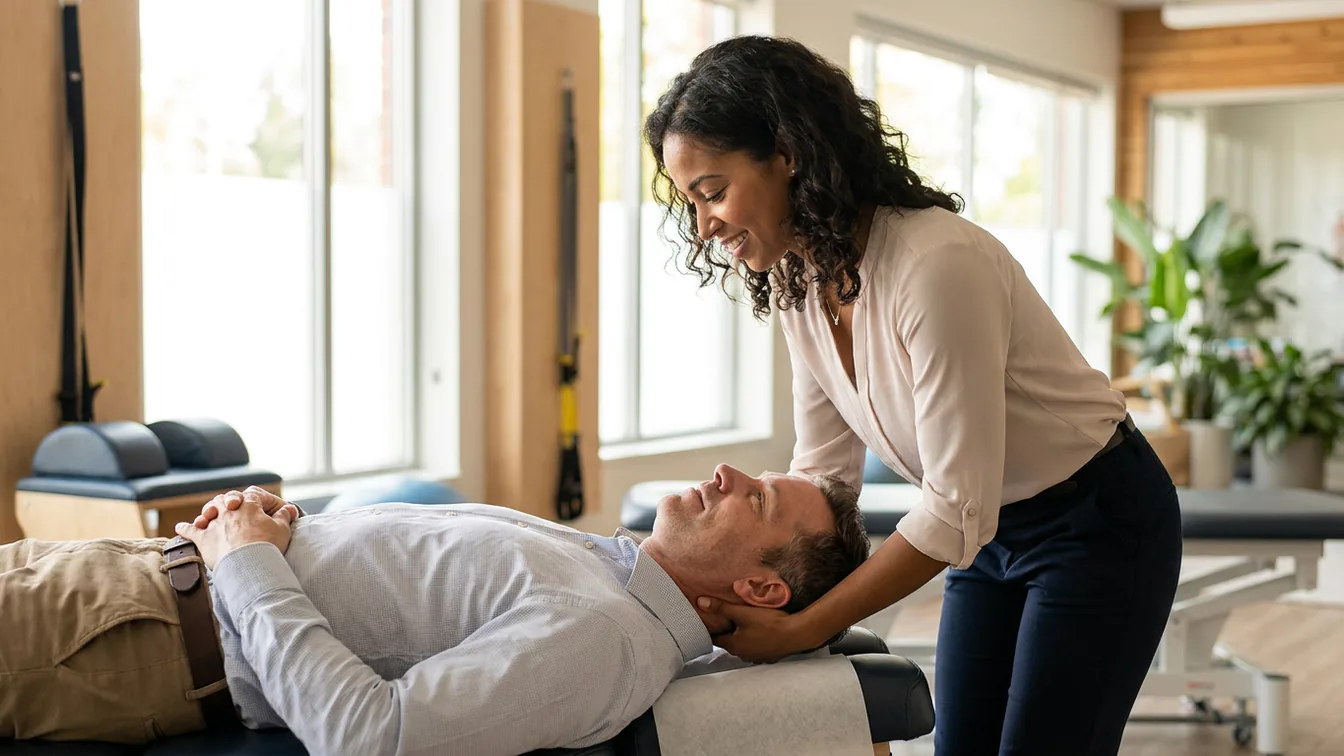
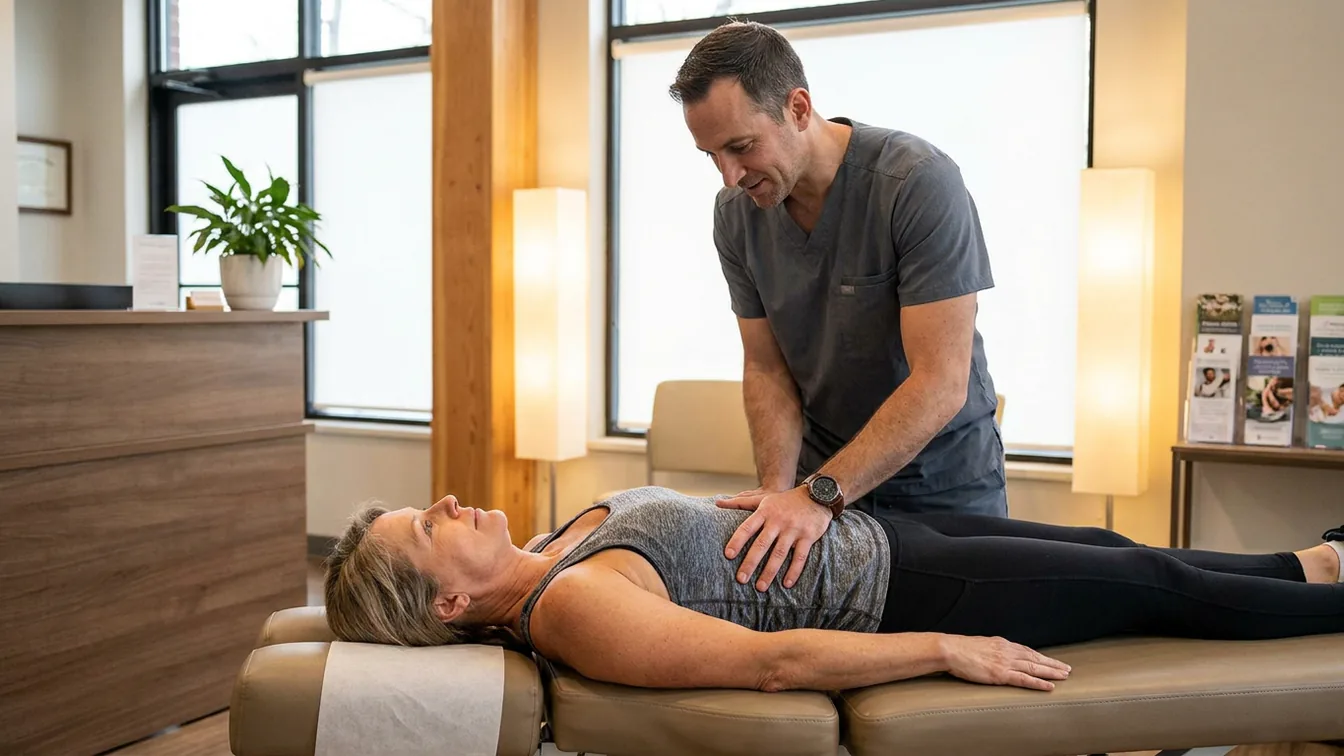
Chiropractic care. Gentle, targeted adjustments can restore proper motion to restricted joints in the spine and extremities. When a stiff joint is moving normally again, nearby muscles and ligaments often experience less strain, which can ease pain and support healing. Chiropractors also evaluate how your whole body moves, since a sore knee may actually be linked to a hip, foot, or low back problem.
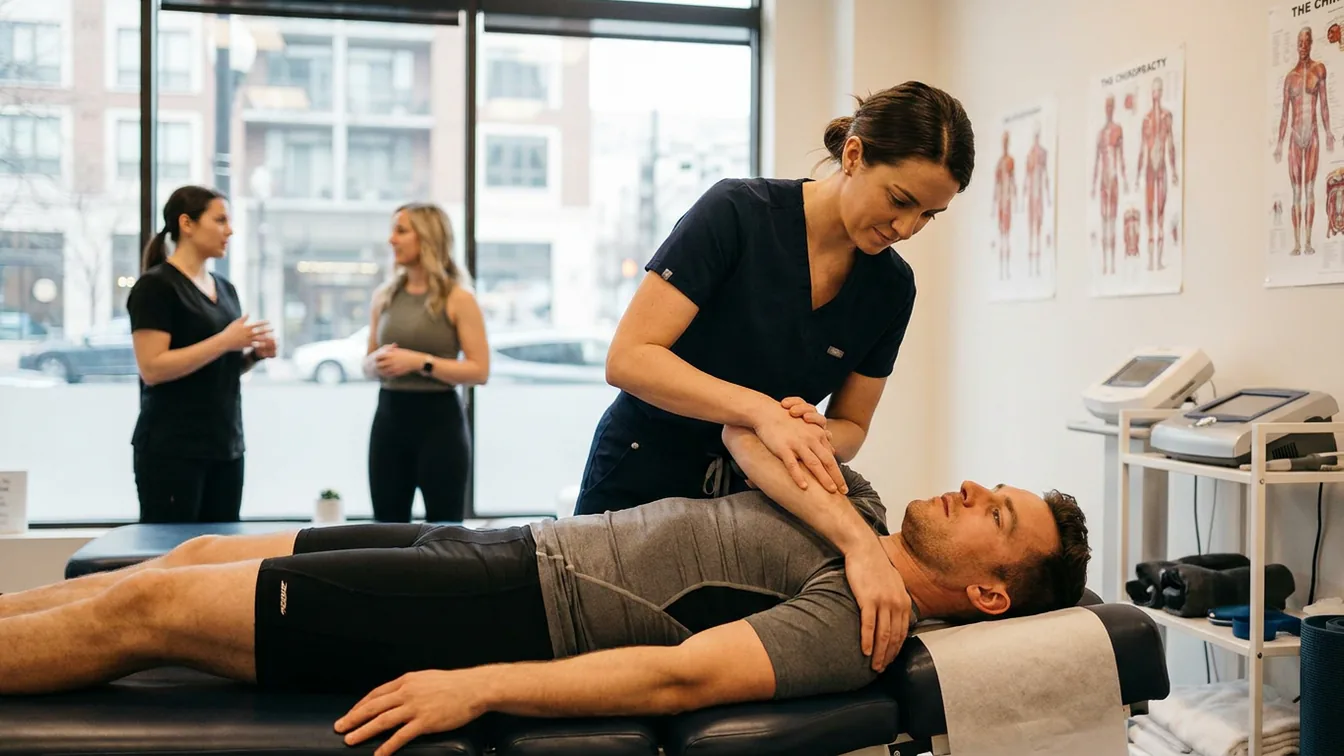
Soft tissue therapy. Techniques such as myofascial release, instrument-assisted therapy, and targeted massage can reduce muscle tightness, improve circulation, and help break up scar tissue that limits mobility.
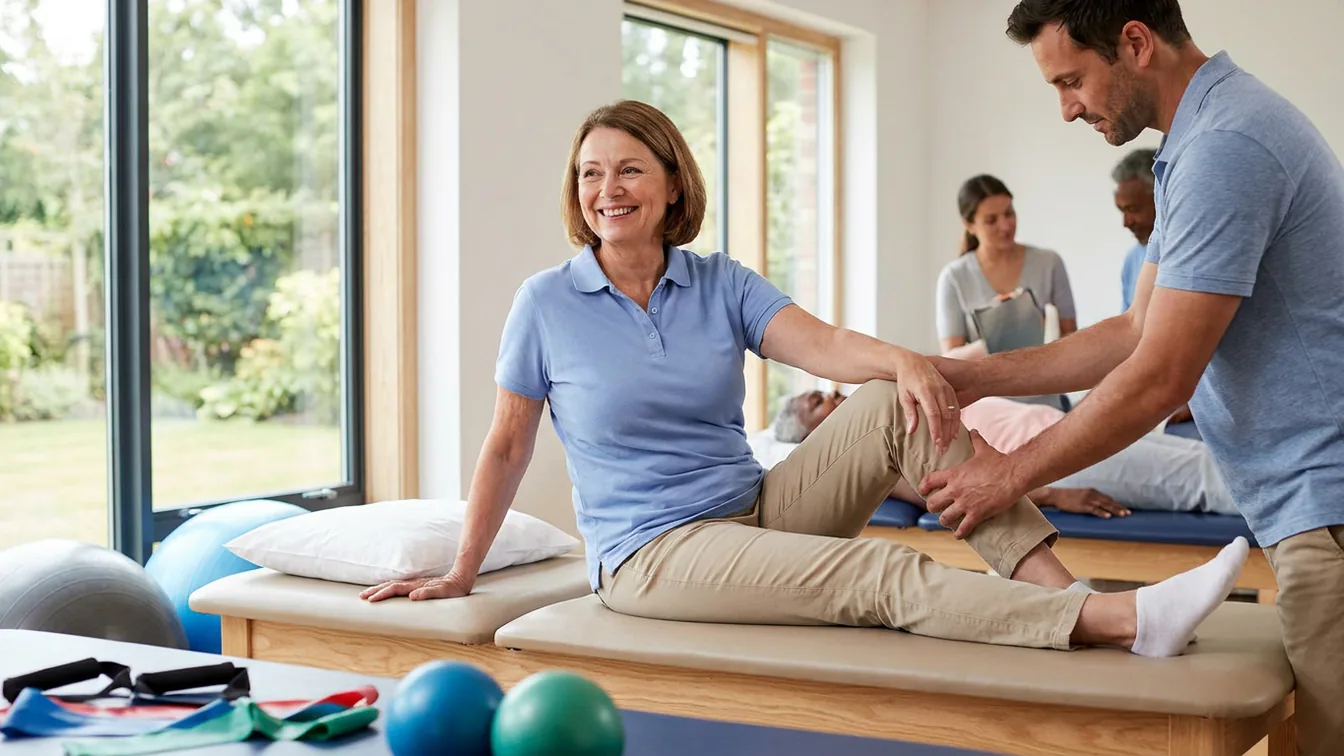
Therapeutic exercise and rehabilitation. Strengthening weak muscles, improving flexibility, and retraining balance and coordination are essential for lasting results. A progressive program that matches your sport and your stage of healing helps you return safely rather than just quickly.
Modalities for pain and inflammation. Options like cold laser therapy, electrical stimulation, therapeutic ultrasound, and decompression can complement hands-on care and may help calm pain while tissue repairs.
Smart self-care at home. In the first day or two after an acute injury, relative rest, gentle protection, and short sessions of ice may help control swelling and discomfort. After the initial phase, gentle movement is generally better than complete immobilization, because motion promotes healing and prevents stiffness. Staying hydrated, eating enough protein, and including colorful fruits and vegetables supports tissue repair.
Clearing Up Common Misconceptions
Myth: You should push through the pain. Pain is a signal, not a weakness. Training through it often turns a minor issue into a chronic one.
Myth: Rest alone will fix it. Rest helps in the short term, but if the underlying weakness, stiffness, or movement fault remains, the injury often returns once you resume activity.
Myth: Surgery is the only option for serious-sounding injuries. Many sprains, strains, tendon problems, and joint irritations improve with conservative care. Surgery is sometimes necessary, but it is not always the first or only answer.
Myth: If the pain went away, you are healed. Pain often fades before strength, flexibility, and stability return to normal. Returning too soon is a common cause of re-injury.
Prevention and Knowing When to Get Help
The best sports injury is the one that never happens. Whether you are training for a race, coaching a youth team, or staying active in your later years, these habits can lower your risk:
- Warm up dynamically. Spend 5 to 10 minutes on movements like leg swings, lunges, and arm circles before activity rather than relying on static stretching alone.
- Progress gradually. A common guideline is to avoid increasing training volume or intensity by more than about 10 percent per week.
- Cross-train and strengthen. Build core, hip, and shoulder stability, and vary your activities so the same tissues are not overloaded day after day.
- Replace worn gear. Running shoes typically need replacing every 300 to 500 miles, and equipment should fit properly.
- Prioritize recovery. Aim for seven to nine hours of sleep, schedule rest days, and listen to early signs of fatigue.
- Get movement screened. A professional assessment can uncover joint restrictions, imbalances, or technique issues before they cause pain.
- Address small problems early. Minor aches that linger beyond a week or two are worth evaluating before they become major setbacks.
If you have been dealing with nagging pain, a recent injury, or a setback that just will not resolve, you do not have to figure it out alone. Cleveland residents who want a natural, drug-free path to recovery can find caring, personalized support close to home. At Cleveland Non-Surgical, our team takes the time to understand your history, identify the true source of your symptoms, and build a plan that fits your goals, whether that means returning to competition or simply playing with your grandkids without pain.
Our Cleveland clinic is conveniently located for families and athletes across Bradley County and the surrounding Tennessee communities. To schedule a consultation, visit us at 1590 Clingan Ridge Drive, Cleveland, TN 37312. Your body has a remarkable ability to heal when it is given the right support, and taking that first step could be the difference between sitting on the sidelines and getting back in the game.