Your spine is the foundation of your body's structural integrity, supporting your weight and enabling movement while protecting the delicate spinal cord within. For Cleveland residents dealing with back pain or those looking to prevent future spinal issues, understanding the role of exercise in maintaining a healthy spine is crucial. The good news is that with the right approach to physical activity, you can significantly reduce your risk of spinal problems and improve your overall quality of life.
Many people in Tennessee and beyond make the mistake of avoiding exercise when they experience back discomfort, but this approach often leads to weaker muscles and increased pain over time. The key is learning which exercises benefit your spine and how to perform them safely and effectively.
Core Strengthening: Your Spine's Natural Support System
The muscles surrounding your spine, collectively known as your core, play a vital role in maintaining spinal stability and reducing stress on vertebral structures. These muscles include not just your abdominals, but also your back muscles, pelvic floor, and diaphragm. When these muscles work together effectively, they create a natural brace that supports your spine during daily activities.
One of the most effective exercises for core strengthening is the plank. Start by lying face down, then lift your body onto your forearms and toes, maintaining a straight line from head to heels. Hold this position for 15-30 seconds initially, gradually increasing the duration as your strength improves. Cleveland residents who incorporate planks into their routine often notice improved posture and reduced lower back discomfort within just a few weeks.
Bird dog exercises are another excellent choice for maintaining spinal health. Begin on your hands and knees, then simultaneously extend your opposite arm and leg while keeping your spine neutral. This exercise challenges your core muscles to maintain stability while your limbs move, mimicking many real-world activities. Hold each position for 5-10 seconds before switching sides.
Dead bugs offer a gentler alternative for those just beginning their journey toward better spinal health. Lie on your back with your arms extended toward the ceiling and your knees bent at 90 degrees. Slowly lower one arm overhead while extending the opposite leg, maintaining contact between your lower back and the floor. This exercise teaches your core muscles to work independently while maintaining spinal alignment.
Flexibility and Mobility: Keeping Your Spine Moving
A healthy spine requires adequate flexibility and mobility to function properly. Stiffness in the muscles and joints surrounding your spine can lead to compensatory movement patterns that increase injury risk. Regular stretching and mobility work can help maintain the natural curves of your spine and prevent the development of painful restrictions.
The cat-cow stretch is particularly beneficial for spinal mobility. Start on your hands and knees, then alternate between arching your back (cow position) and rounding it (cat position). This gentle movement helps maintain flexibility throughout your entire spine while promoting circulation to spinal tissues. Perform 10-15 repetitions, focusing on smooth, controlled movements.
Hip flexor stretches are crucial for many Cleveland residents who spend significant time sitting. Tight hip flexors can pull on your lower back, creating an exaggerated lumbar curve that leads to pain and dysfunction. The couch stretch, where you place your rear foot on a couch or chair while lunging forward, effectively targets these muscles. Hold for 30-60 seconds on each side.
Thoracic spine mobility is often overlooked but equally important for maintaining overall spinal health. The thoracic extension stretch, performed by placing your hands behind your head and gently extending backward over a foam roller or exercise ball, can counteract the forward head posture common in our technology-driven world.
Strengthening Supporting Muscles
While core strength is fundamental, the muscles in your legs, shoulders, and arms also play important roles in maintaining spinal health. Weak glutes, for example, can force your lower back to work overtime during walking and standing activities. Similarly, weak upper back muscles contribute to poor posture and neck pain.
Glute bridges are an excellent exercise for strengthening the muscles that support your pelvis and lower spine. Lie on your back with knees bent, then lift your hips by squeezing your glute muscles. Hold for a few seconds before lowering slowly. This exercise not only strengthens your glutes but also teaches proper hip hinge movement patterns that protect your spine during daily activities.
Rows, whether performed with resistance bands, dumbbells, or cable machines, strengthen the muscles between your shoulder blades that are essential for good posture. Focus on squeezing your shoulder blades together as you pull, and avoid using momentum to complete the movement. Cleveland Non-Surgical often recommends these exercises as part of a comprehensive approach to spinal health.
Squats and deadlifts, when performed with proper form, can significantly strengthen the muscles that support your spine. However, these exercises require careful attention to technique. Start with bodyweight movements or light weights, focusing on maintaining a neutral spine throughout the entire range of motion. Consider working with a qualified fitness professional initially to ensure you're performing these movements safely.
Creating a Sustainable Exercise Routine
Consistency is key when it comes to exercise for maintaining a healthy spine. Rather than attempting intensive workouts sporadically, aim for moderate exercise performed regularly. Many Tennessee residents find success with 20-30 minute sessions, 3-4 times per week, focusing on different aspects of spinal health during each workout.
Start slowly and progress gradually. If you're new to exercise or returning after a period of inactivity, begin with gentle movements and shorter durations. Your spine and supporting muscles need time to adapt to increased demands. Pushing too hard too quickly often leads to setbacks that can derail your progress.
Listen to your body throughout your exercise routine. While some muscle fatigue is normal and expected, sharp pain or discomfort that worsens during activity should not be ignored. This is particularly important for those who have experienced previous back injuries or chronic pain conditions.
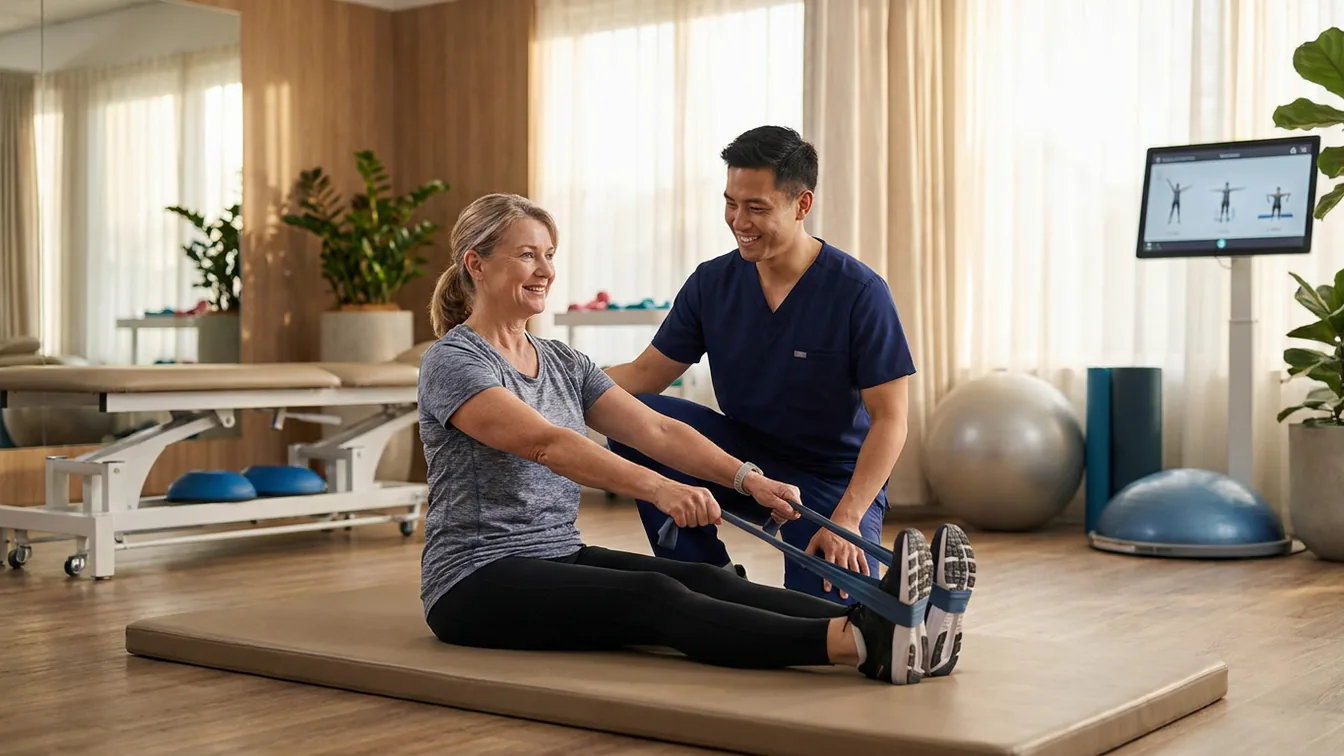
Incorporate variety into your routine to address all aspects of spinal health. A well-rounded program should include strengthening exercises for your core and supporting muscles, flexibility work to maintain range of motion, and cardiovascular activities to promote overall health and circulation.
Consider the activities you perform in daily life and choose exercises that support these movements. If your work requires prolonged sitting, emphasize hip flexor stretches and thoracic extension exercises. If you frequently lift objects, focus on deadlift patterns and core strengthening.
Professional Guidance and Support
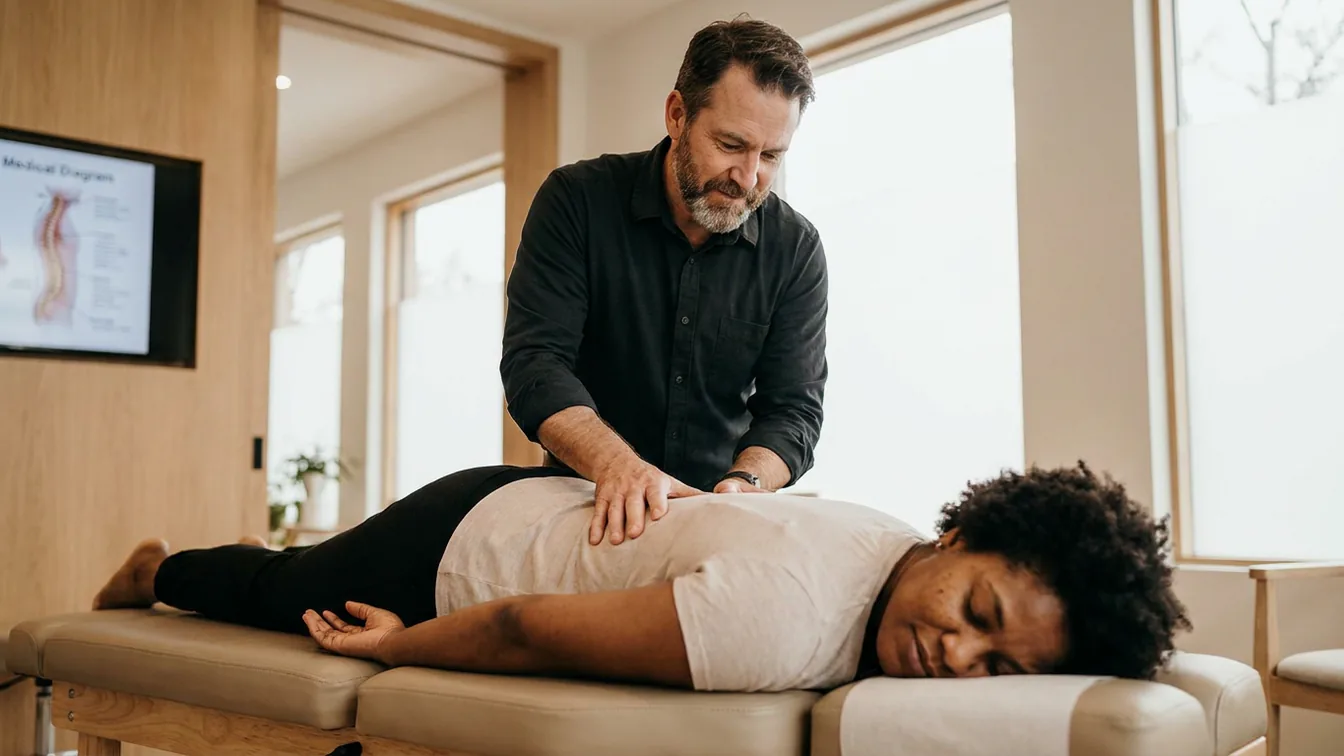
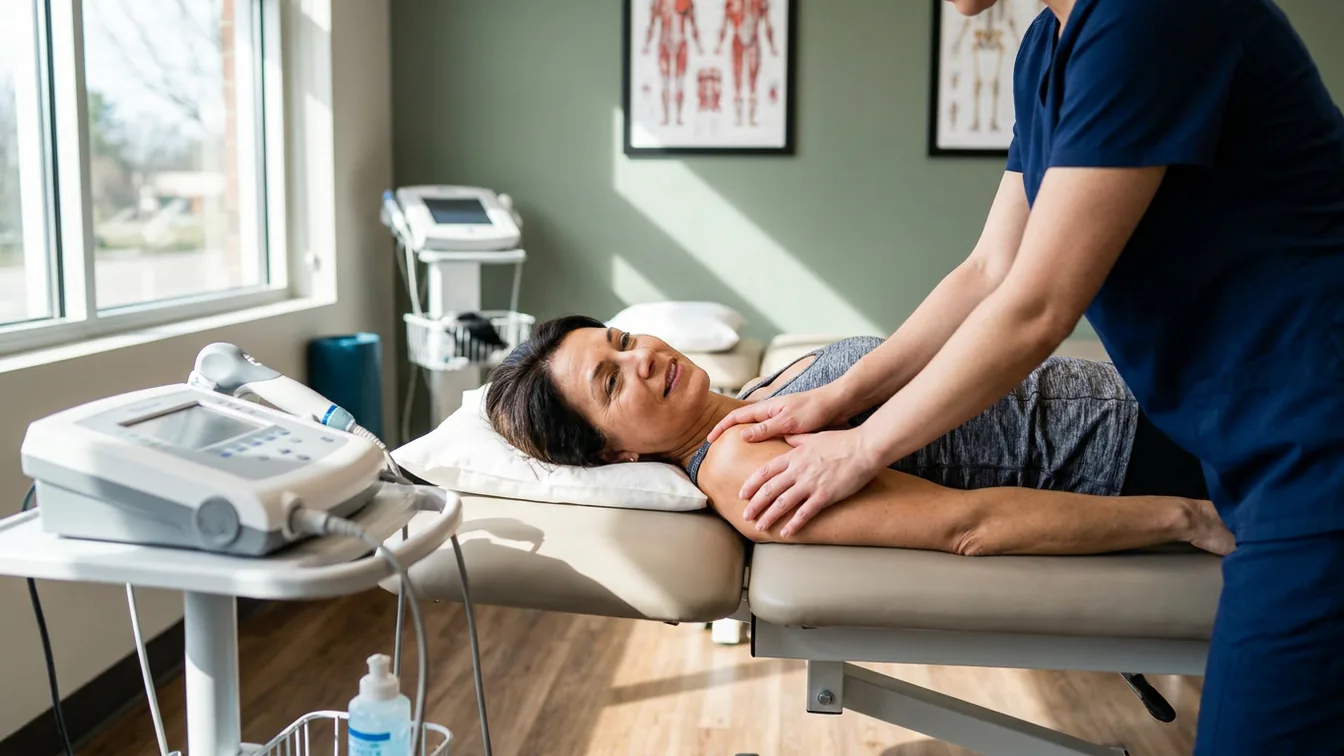
While exercise is an excellent tool for maintaining spinal health, it's important to recognize when professional guidance is beneficial. If you're experiencing persistent back pain, have a history of spinal injuries, or are unsure about proper exercise technique, consulting with healthcare professionals can help you develop a safe and effective program tailored to your specific needs.
Here in Cleveland, residents have access to comprehensive spinal care that combines exercise recommendations with other therapeutic approaches. Cleveland Non-Surgical, located at 1590 Clingan Ridge Drive, Cleveland, TN 37312, offers personalized treatment plans that may include exercise prescription, manual therapy, and education about spinal health maintenance.
Remember that maintaining a healthy spine is a lifelong commitment that extends far beyond exercise alone. Proper ergonomics, stress management, adequate sleep, and maintaining a healthy weight all contribute to spinal health. However, regular exercise remains one of the most powerful tools available for preventing spinal problems and managing existing conditions naturally.
If you're ready to take control of your spinal health through exercise but want professional guidance to ensure you're on the right track, consider scheduling a consultation with our Cleveland team. We can help you develop a personalized exercise program that fits your lifestyle, addresses your specific concerns, and supports your long-term spinal health goals.