Surgery can be a life-changing experience, offering hope for relief from pain, injury, or disease. However, the journey doesn't end when you leave the operating room. For many post-surgical recovery sufferers, the road to healing can feel overwhelming, filled with pain, limited mobility, and uncertainty about when normal life will return. If you're struggling with your recovery process, you're not alone, and more importantly, there's new hope on the horizon.
The landscape of post-surgical care is evolving, with healthcare providers increasingly recognizing that recovery involves more than just waiting for incisions to heal. Today's most effective recovery protocols integrate multiple approaches, combining traditional medical care with complementary therapies that address the whole person, not just the surgical site.
Understanding the Challenges of Post-Surgical Recovery
Post-surgical recovery sufferers face a unique set of challenges that extend far beyond the physical healing of tissues. The body's response to surgery is complex, involving inflammation, altered movement patterns, muscle weakness, and often, psychological stress about the healing process.
One of the most significant obstacles many patients encounter is the development of compensatory movement patterns. When one area of the body is healing, other regions often overcompensate, leading to secondary issues that can persist long after the primary surgical site has healed. For example, after knee surgery, patients frequently develop hip or back problems due to altered walking patterns during recovery.
Pain management represents another critical challenge. While medications play an important role in immediate post-operative care, long-term reliance on pain medications can create additional complications. Many Cleveland residents are discovering that a multi-modal approach to pain management, incorporating both pharmaceutical and natural interventions, provides better outcomes with fewer side effects.
Scar tissue formation is an often-overlooked aspect of recovery that can significantly impact long-term function. As tissues heal, they can form adhesions that limit mobility and create ongoing discomfort. Understanding how to properly manage scar tissue formation from the early stages of recovery can make a dramatic difference in final outcomes.
The psychological component of recovery cannot be understated. Fear of re-injury, anxiety about returning to normal activities, and frustration with the pace of healing are common experiences that can actually slow the physical recovery process. Addressing these mental and emotional aspects is crucial for comprehensive healing.
Innovative Natural Approaches to Accelerate Healing
The good news for post-surgical recovery sufferers is that numerous natural approaches have shown remarkable effectiveness in supporting the body's healing processes. These methods work by optimizing the body's own repair mechanisms rather than simply masking symptoms.
Nutritional support forms the foundation of accelerated healing. The body's nutritional demands increase significantly during recovery, requiring specific nutrients to rebuild tissues, reduce inflammation, and support immune function. Protein intake becomes particularly crucial, as it provides the building blocks for tissue repair. Anti-inflammatory nutrients like omega-3 fatty acids, vitamin C, and zinc play vital roles in managing the inflammatory response and promoting healthy tissue formation.
Hydration often receives less attention than it deserves in recovery protocols. Proper hydration supports circulation, nutrient delivery to healing tissues, and waste removal from the surgical site. Many patients are surprised to learn that chronic dehydration can significantly slow their recovery progress.
Gentle movement and specialized exercise protocols represent another cornerstone of modern recovery approaches. The old model of complete rest following surgery has largely been replaced by carefully designed movement programs that promote circulation, prevent muscle atrophy, and maintain joint mobility while respecting the healing process.
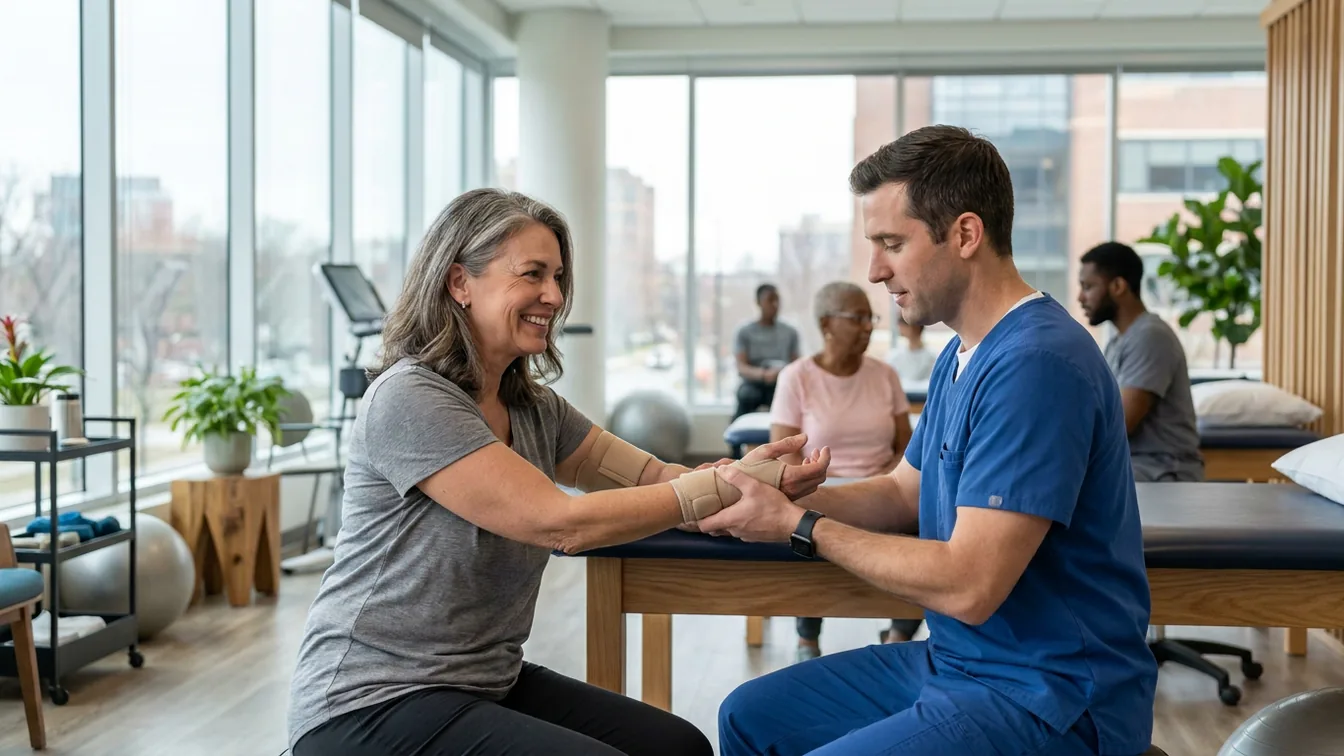
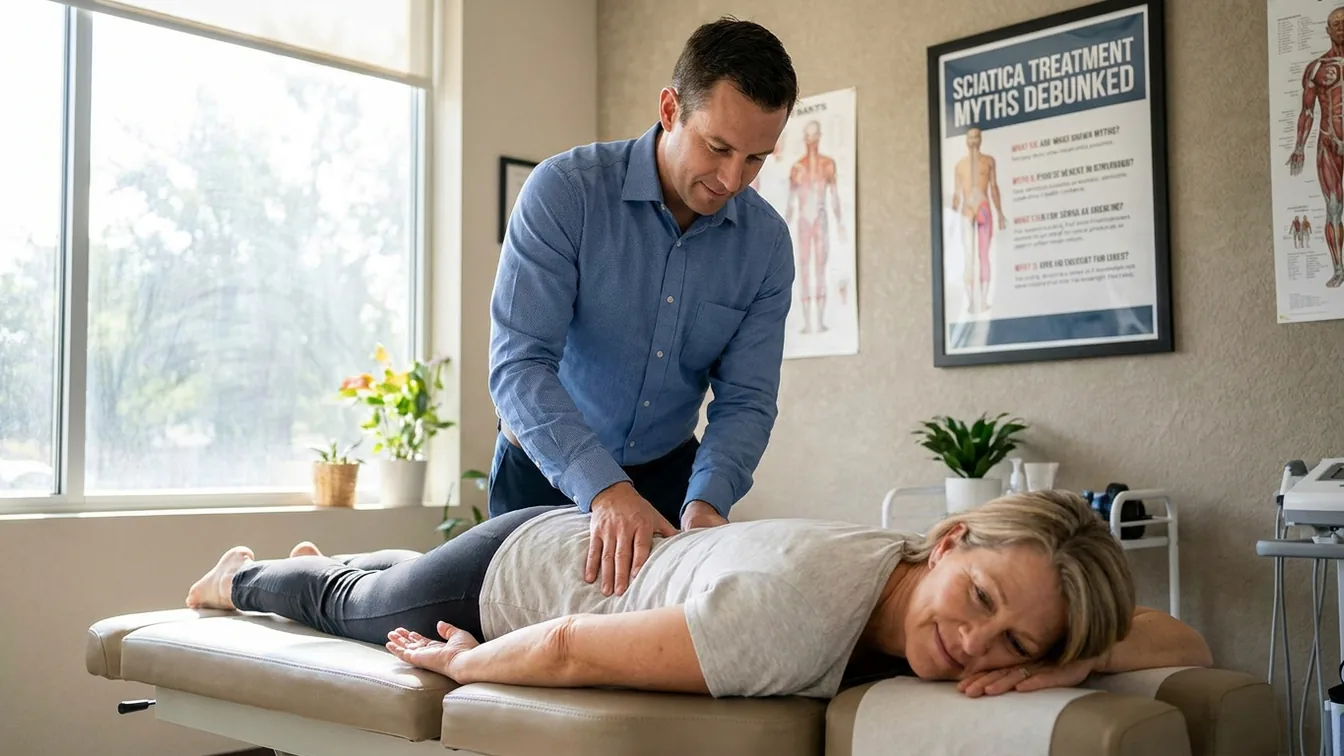
Manual therapies, including specific types of soft tissue work and joint mobilization, can be incredibly effective for addressing compensatory patterns and promoting optimal healing. These approaches help ensure that tissues heal in proper alignment and that normal movement patterns are restored as quickly and safely as possible.
Breathing exercises and stress management techniques may seem unrelated to surgical recovery, but they play crucial roles in optimizing the healing environment. Proper breathing supports oxygenation of healing tissues, while stress management helps regulate cortisol levels that can interfere with the body's repair processes.
Creating Your Personalized Recovery Plan
Every post-surgical recovery is unique, influenced by factors such as the type of surgery performed, individual health status, age, and lifestyle factors. Creating an effective recovery plan requires careful assessment of these individual factors and development of a customized approach that addresses specific needs and goals.
Timing is critical in recovery planning. Different interventions are appropriate at different stages of healing. What's beneficial in the first few days after surgery may be contraindicated weeks later, and vice versa. Understanding the phases of tissue healing helps ensure that interventions support rather than interfere with natural processes.
Communication with your healthcare team is essential throughout the recovery process. This includes not only your surgeon but also other professionals who may be involved in your care, such as physical therapists, chiropractors, and nutritionists. Here in Cleveland, many patients find that coordinated care approaches, where different providers work together, produce the best outcomes.
Setting realistic expectations and goals helps maintain motivation while avoiding setbacks that can occur when patients push too hard too soon. Recovery is rarely linear, and understanding that some days will be better than others helps patients stay committed to their recovery program during challenging periods.
Monitoring progress involves more than just tracking pain levels. Functional improvements, sleep quality, energy levels, and emotional well-being are all important indicators of recovery progress. Keeping a simple recovery journal can help identify patterns and provide valuable information for adjusting the recovery plan as needed.
Environmental factors in the home and workplace also play important roles in recovery success. Making temporary modifications to reduce strain on healing tissues, ensuring adequate lighting to prevent falls, and organizing frequently used items within easy reach can all support the recovery process.
When to Seek Professional Support
While many aspects of recovery can be self-managed, professional guidance is invaluable for optimizing outcomes and preventing complications. Knowing when to seek additional support can make the difference between a smooth recovery and prolonged difficulties.
Persistent or worsening pain beyond what's expected for your specific procedure warrants professional evaluation. While some discomfort is normal during recovery, pain that doesn't improve with time or that interferes with sleep and daily activities may indicate complications that need attention.
Functional limitations that aren't improving according to expected timelines also merit professional assessment. If you're unable to perform activities that should be possible at your stage of recovery, there may be underlying issues that can be addressed with appropriate interventions.
Development of secondary problems, such as new areas of pain or stiffness, often indicates compensatory patterns that benefit from professional intervention. Addressing these issues early prevents them from becoming chronic problems that persist long after the primary surgical site has healed.
Cleveland residents have access to comprehensive recovery support services that can significantly enhance healing outcomes. Cleveland Non-Surgical specializes in supporting post-surgical recovery sufferers through natural, evidence-based approaches that complement traditional medical care.
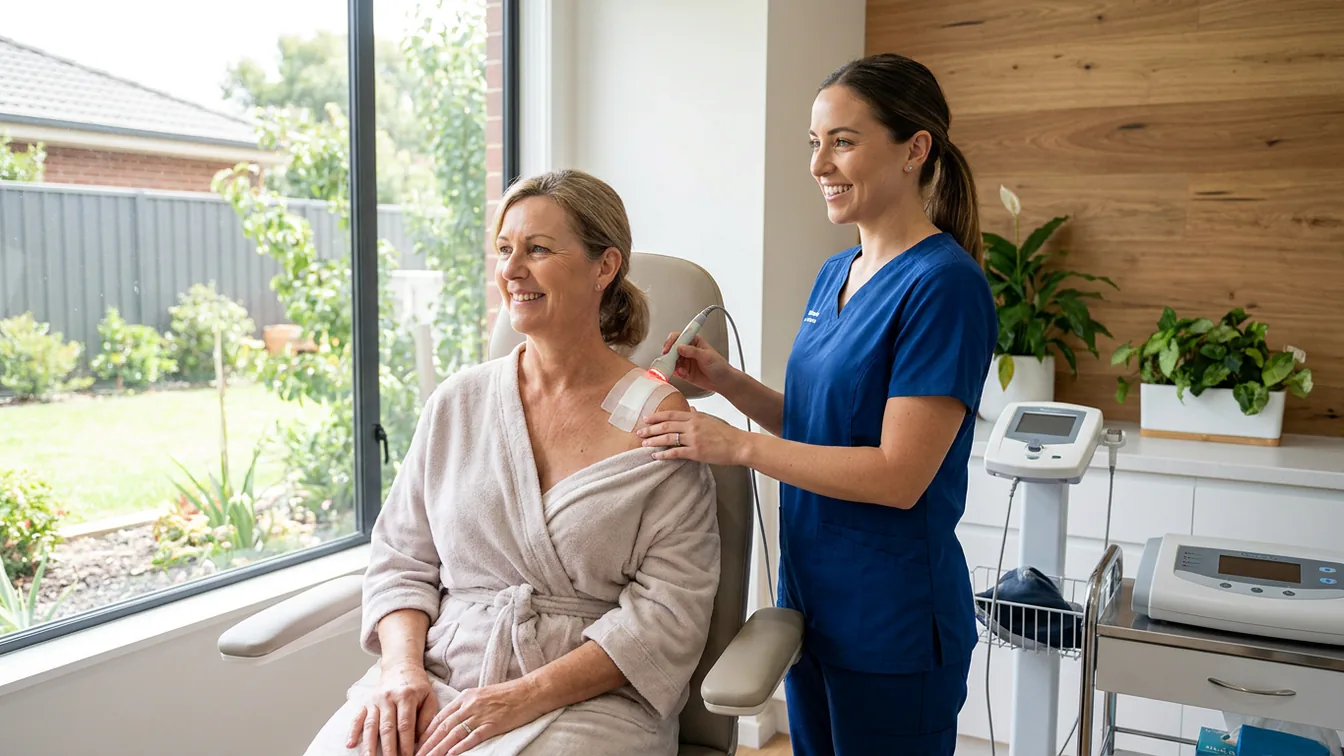
The integration of multiple therapeutic approaches under one roof allows for coordinated care that addresses all aspects of recovery. From nutritional counseling and exercise therapy to manual treatments and stress management support, comprehensive programs can accelerate healing while reducing the risk of complications.
If you're struggling with your post-surgical recovery or want to optimize your healing process, professional support can provide the guidance and treatments needed to get back to the activities you love. The team at Cleveland Non-Surgical, located at 1590 Clingan Ridge Drive, Cleveland, TN 37312, understands the unique challenges faced by post-surgical recovery sufferers and offers personalized treatment plans designed to support your body's natural healing processes.
Remember, recovery is a journey, not a destination. With the right support, patience, and commitment to your healing process, you can overcome the challenges of post-surgical recovery and return to a full, active life. Don't let temporary setbacks discourage you from seeking the care you need to achieve the best possible outcome from your surgery.