When injury, chronic pain, or physical limitations disrupt your daily life, understanding physical rehabilitation becomes crucial for your journey back to optimal health. This complete guide will help you navigate the world of rehabilitation services, empowering you to make informed decisions about your recovery and wellness journey.
Physical rehabilitation is a comprehensive approach to restoring function, mobility, and quality of life after injury, illness, or when managing chronic conditions. Unlike quick-fix solutions, rehabilitation focuses on addressing the root causes of physical limitations while building long-term strength and resilience. For Cleveland residents dealing with pain or mobility issues, understanding these principles can be the first step toward lasting relief.
What Is Physical Rehabilitation and How Does It Work?
Physical rehabilitation encompasses a wide range of therapeutic interventions designed to help individuals recover from injuries, manage chronic conditions, and prevent future problems. At its core, rehabilitation is about restoring your body's natural ability to function optimally through targeted treatments and exercises.
The rehabilitation process typically begins with a comprehensive assessment of your current physical condition, medical history, and specific goals. Healthcare providers evaluate factors such as range of motion, strength, balance, posture, and pain levels to develop a personalized treatment plan. This individualized approach ensures that your rehabilitation program addresses your unique needs and circumstances.
One common misconception is that physical rehabilitation is only necessary after major injuries or surgeries. In reality, rehabilitation can benefit anyone experiencing pain, stiffness, or reduced mobility, regardless of the underlying cause. Whether you're dealing with workplace injuries, sports-related issues, or age-related changes, rehabilitation offers evidence-based solutions for improvement.
Modern rehabilitation combines various therapeutic modalities to maximize results. These may include manual therapy techniques, therapeutic exercises, postural correction, movement education, and lifestyle modifications. The integration of these approaches creates a comprehensive treatment strategy that addresses both symptoms and underlying dysfunction.
For residents here in Cleveland, accessing quality rehabilitation services means working with professionals who understand the unique challenges faced by our community. Local healthcare providers are familiar with common occupational hazards, recreational activities, and lifestyle factors that may contribute to physical problems in Tennessee.
Types of Rehabilitation Treatments and Their Benefits
Understanding the various types of rehabilitation treatments available helps you make informed decisions about your care. Each treatment modality offers specific benefits and may be more suitable for certain conditions or goals.
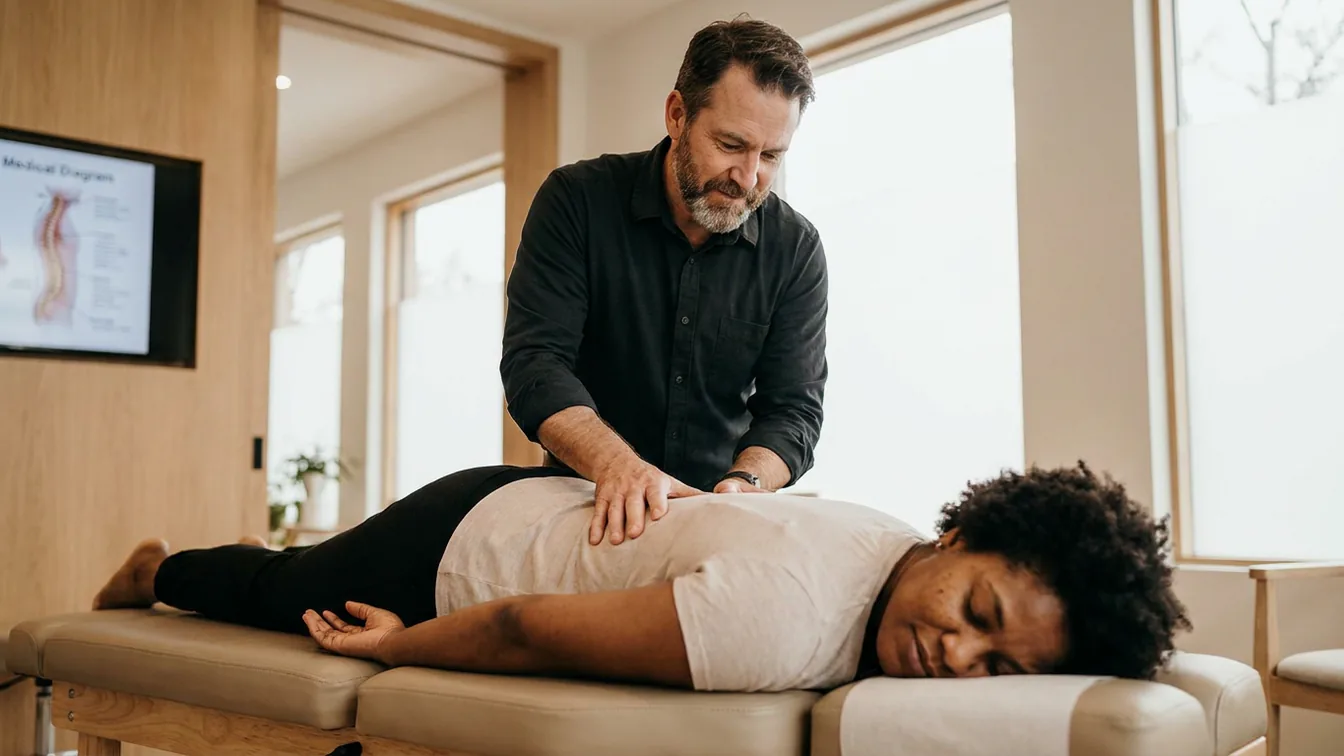
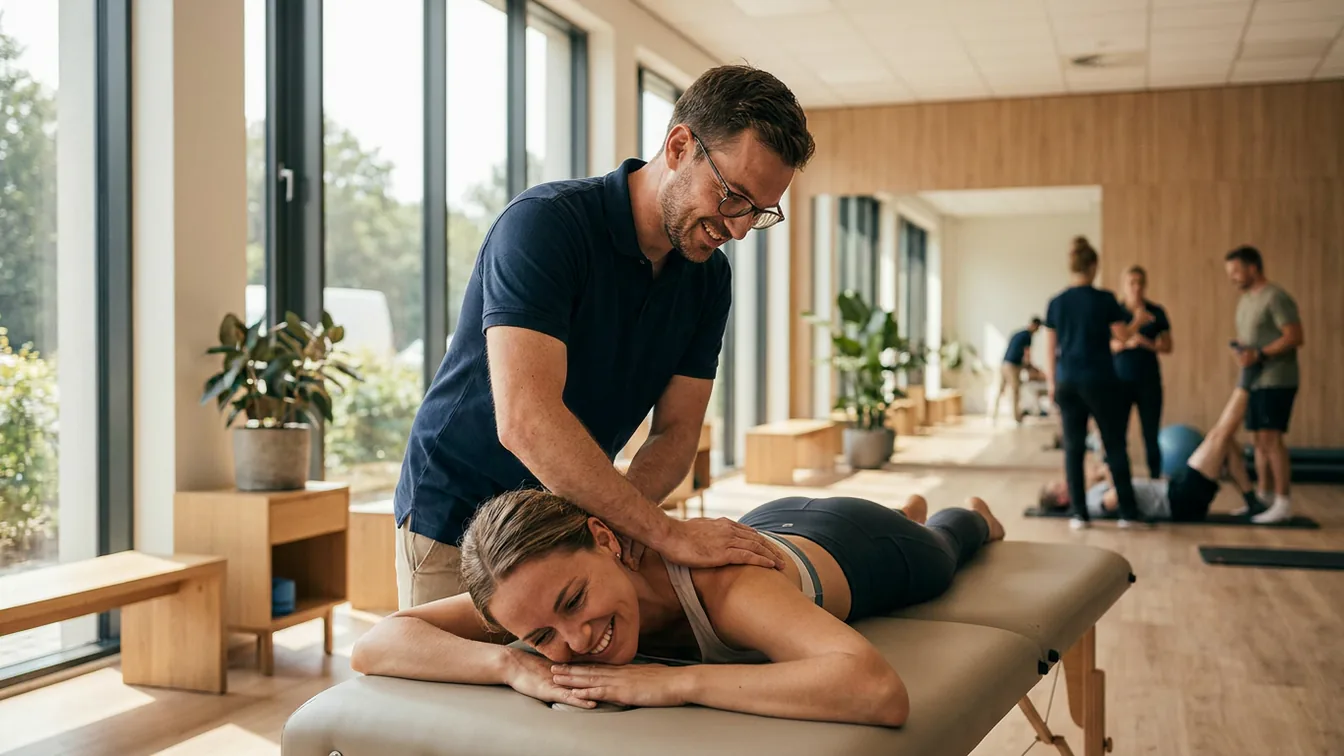
Manual therapy forms the foundation of many rehabilitation programs. This hands-on approach includes techniques such as joint mobilization, soft tissue massage, and spinal manipulation. These interventions help restore proper joint function, reduce muscle tension, and improve circulation. Many patients experience immediate relief from pain and stiffness following manual therapy sessions.
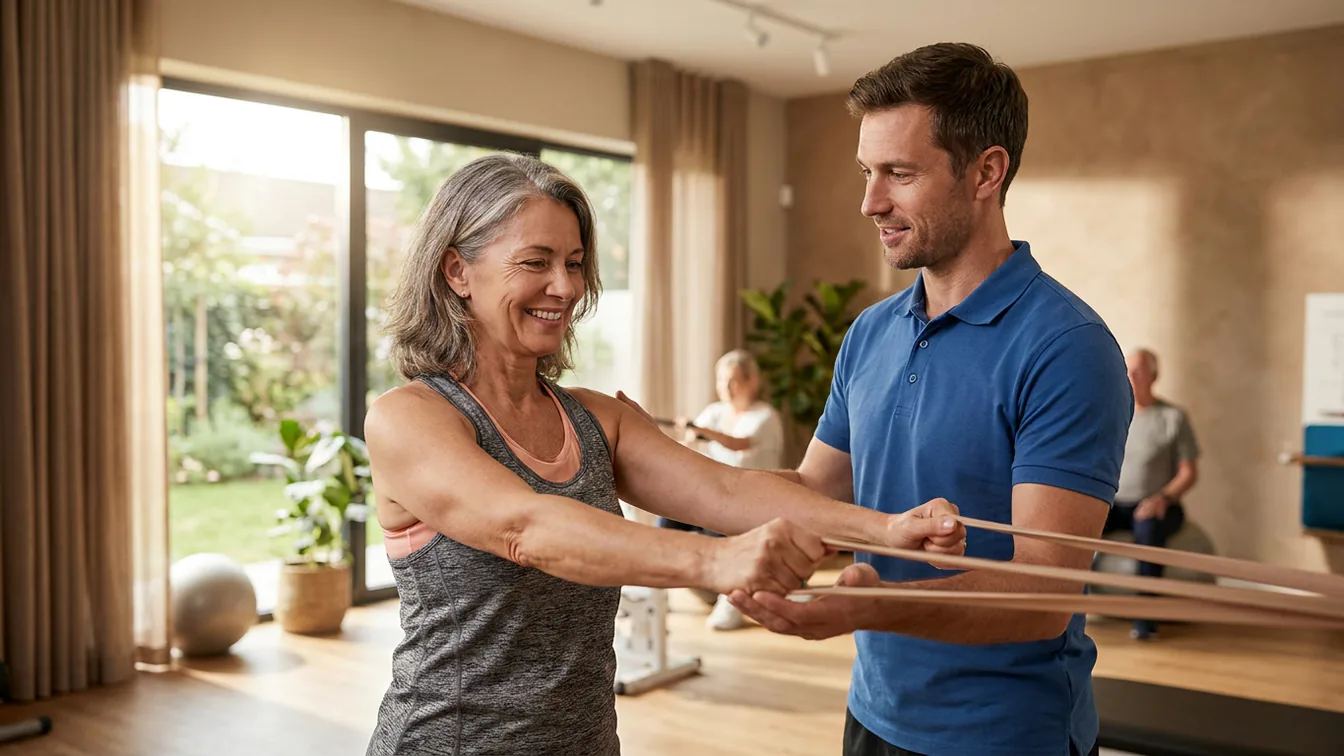
Therapeutic exercise represents another cornerstone of effective rehabilitation. Unlike general fitness routines, therapeutic exercises are specifically prescribed to address identified weaknesses, imbalances, or movement dysfunctions. These exercises progress systematically, starting with basic movements and gradually advancing to more complex, functional activities that mirror your daily life demands.
Postural rehabilitation has become increasingly important in our technology-driven society. Poor posture contributes to numerous health issues, including neck pain, headaches, back pain, and reduced lung capacity. Postural rehabilitation involves identifying and correcting faulty movement patterns while strengthening the muscles responsible for maintaining proper alignment.
Neuromuscular re-education helps restore proper communication between your nervous system and muscles. This type of treatment is particularly beneficial for individuals recovering from injuries or dealing with chronic pain conditions that have altered normal movement patterns. Through specific exercises and activities, neuromuscular re-education helps retrain your body to move efficiently and safely.
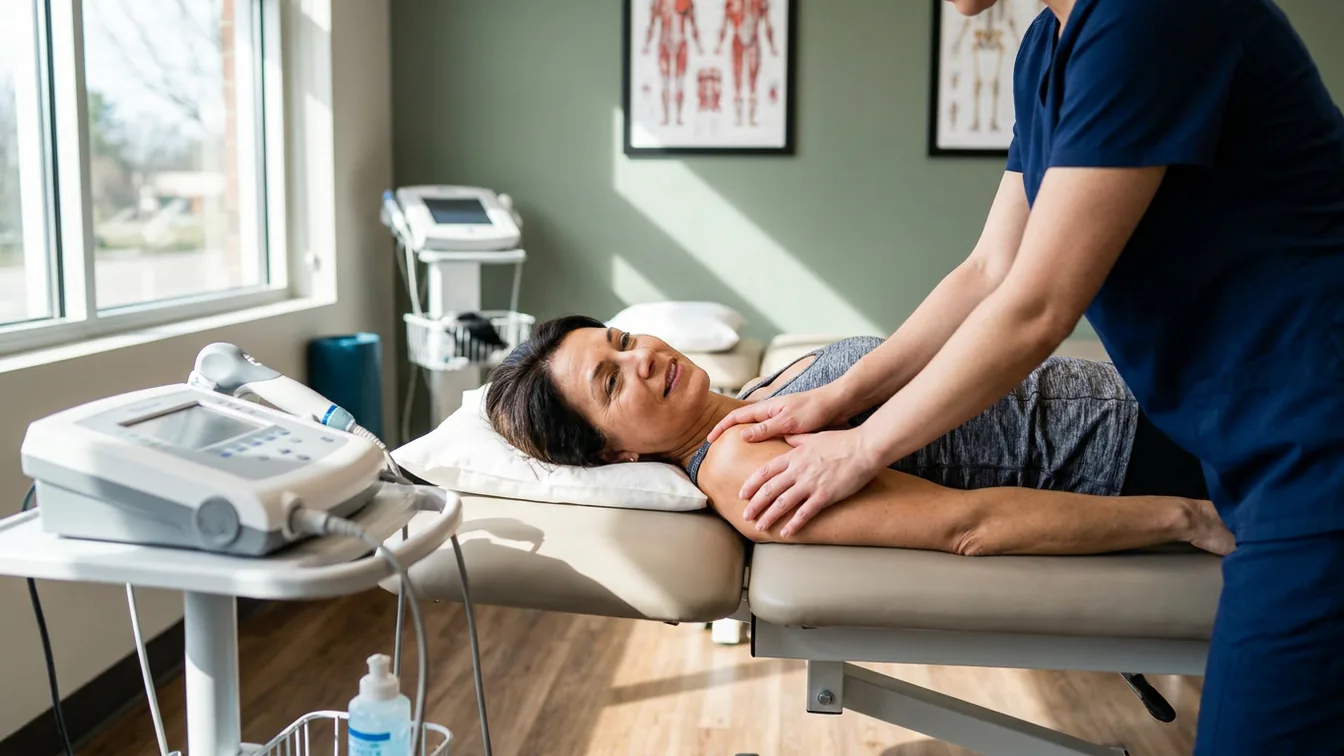
Pain management techniques within rehabilitation focus on natural, non-invasive approaches to reducing discomfort. These may include heat and cold therapy, electrical stimulation, ultrasound, and specialized massage techniques. Unlike medications that merely mask symptoms, these treatments address pain at its source while promoting healing.
Functional training bridges the gap between clinical treatment and real-world activities. This approach involves practicing movements and activities that directly relate to your daily life, work demands, or recreational interests. Functional training ensures that improvements gained during rehabilitation translate into meaningful improvements in your everyday activities.
The Rehabilitation Process: What to Expect During Recovery
Embarking on a rehabilitation journey can feel overwhelming, but understanding the typical process helps set realistic expectations and promotes better outcomes. The rehabilitation process generally follows several distinct phases, each with specific goals and milestones.
The initial evaluation phase involves a thorough assessment of your condition, including a detailed history of your symptoms, previous injuries, lifestyle factors, and treatment goals. Healthcare providers may perform various tests to assess strength, flexibility, balance, posture, and movement patterns. This comprehensive evaluation forms the foundation for your personalized treatment plan.
During the acute phase of rehabilitation, the primary focus is on reducing pain, inflammation, and protecting injured tissues. Treatments during this phase are typically gentler and may include manual therapy, modalities for pain relief, and basic exercises to maintain mobility. Cleveland patients often find that early intervention during this phase significantly improves their overall recovery trajectory.
The recovery phase involves gradually increasing activity levels and introducing more challenging exercises and treatments. As pain decreases and function improves, your rehabilitation program becomes more intensive and specific to your goals. This phase requires active participation and commitment to prescribed exercises and lifestyle modifications.
The functional restoration phase focuses on returning you to your desired level of activity, whether that involves returning to work, sports, or simply managing daily activities without pain. Treatments during this phase emphasize strength building, endurance training, and movement optimization.
Throughout the rehabilitation process, regular reassessments ensure that your treatment plan remains appropriate and effective. Healthcare providers monitor your progress, adjust treatments as needed, and modify goals based on your response to care. This dynamic approach ensures that you continue making progress toward your recovery objectives.
Communication plays a vital role in successful rehabilitation. Be prepared to discuss your symptoms, concerns, and progress honestly with your healthcare team. This information helps providers make necessary adjustments to optimize your care and outcomes.
Maximizing Your Rehabilitation Success: Tips and Strategies
Achieving optimal results from physical rehabilitation requires more than just attending appointments. Your active participation and commitment to the process significantly influence your outcomes and long-term success.
Consistency in following your prescribed treatment plan is perhaps the most critical factor in rehabilitation success. This includes attending scheduled appointments, performing home exercises as directed, and implementing recommended lifestyle modifications. Many Cleveland residents find that treating their rehabilitation program like a priority appointment helps maintain consistency.
Setting realistic, achievable goals helps maintain motivation throughout your rehabilitation journey. Work with your healthcare provider to establish both short-term and long-term objectives that are specific, measurable, and meaningful to your life. Celebrating small victories along the way helps maintain momentum during challenging periods.
Lifestyle factors significantly impact rehabilitation outcomes. Adequate sleep, proper nutrition, stress management, and avoiding harmful habits all contribute to your body's ability to heal and adapt. Tennessee residents dealing with seasonal changes may need to pay particular attention to maintaining healthy habits year-round.
Staying educated about your condition and treatment helps you become an active participant in your recovery. Ask questions, seek clarification when needed, and understand the reasoning behind recommended treatments. This knowledge empowers you to make informed decisions and take ownership of your health.
Building a strong support system enhances your rehabilitation experience. Family members, friends, and coworkers can provide encouragement, assistance with daily activities, and accountability for maintaining healthy habits. Many patients find that sharing their goals and progress with supportive individuals helps maintain motivation.
Be patient with the rehabilitation process. Healing takes time, and progress may not always be linear. Some days will be better than others, and temporary setbacks are normal parts of the recovery journey. Maintaining a positive attitude and focusing on long-term improvements rather than daily fluctuations helps sustain motivation.
Preventing future problems should be a key focus of any rehabilitation program. Learning proper body mechanics, maintaining strength and flexibility, and recognizing early warning signs of problems helps you avoid recurring issues and maintain your gains long-term.
If you're experiencing pain, mobility limitations, or other physical challenges, don't wait for problems to worsen before seeking help. Cleveland Non-Surgical at 1590 Clingan Ridge Drive, Cleveland, TN 37312 offers comprehensive rehabilitation services designed to help you achieve lasting relief and improved function. Contact our experienced team today to begin your journey toward better health and enhanced quality of life.