When injury, illness, or chronic pain disrupts your daily life, physical rehabilitation offers a pathway back to optimal function and wellness. This comprehensive approach to healing focuses on restoring movement, reducing pain, and improving your overall quality of life without relying solely on medications or invasive procedures.
Physical rehabilitation represents one of the most effective natural healthcare solutions available today, helping millions of people regain their independence and return to activities they love. For Cleveland residents dealing with pain or mobility issues, understanding how rehabilitation works can be the first step toward lasting recovery.
Understanding the Foundation of Physical Rehabilitation
Physical rehabilitation is a specialized healthcare approach designed to help individuals recover from injuries, manage chronic conditions, and restore optimal physical function. This therapeutic process combines various treatment modalities to address the root causes of dysfunction rather than simply masking symptoms.
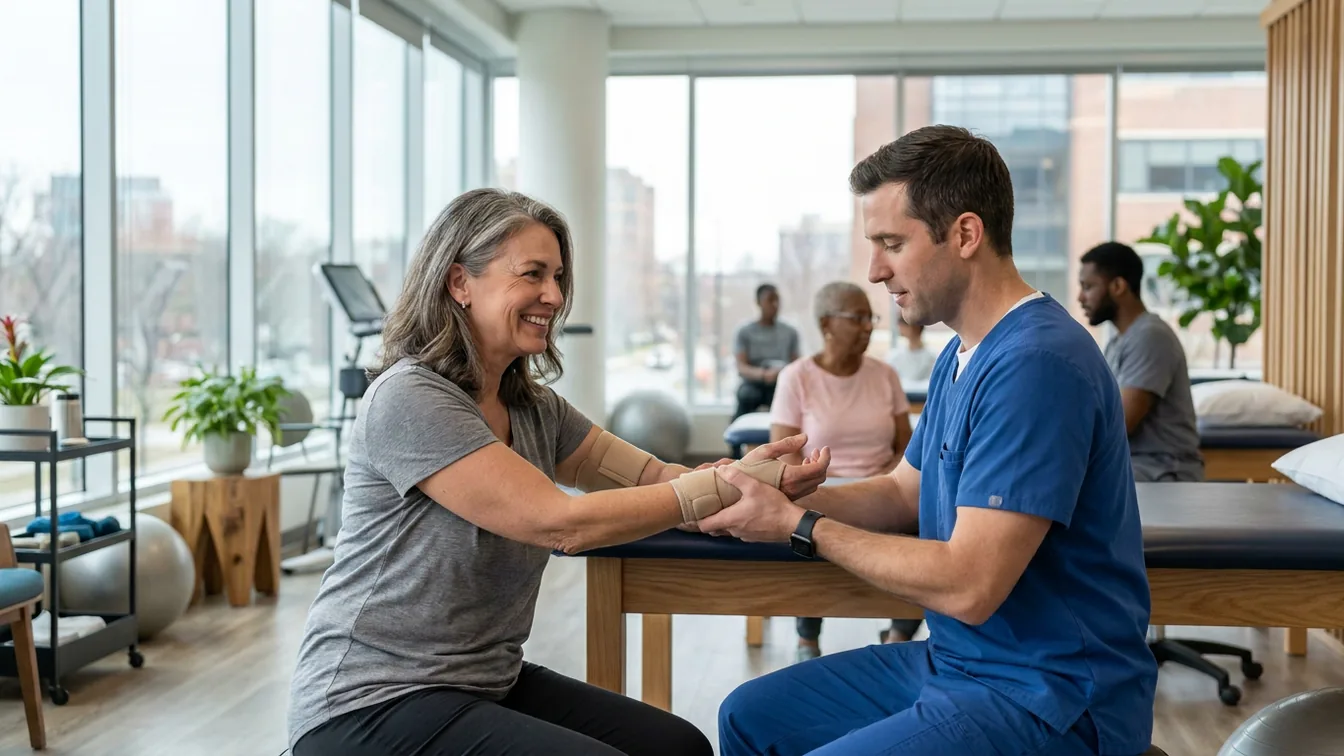
The rehabilitation process begins with a comprehensive assessment of your condition, medical history, and functional limitations. Healthcare providers examine how your injury or condition affects your daily activities, work performance, and overall well-being. This thorough evaluation helps create a personalized treatment plan tailored to your specific needs and goals.
Unlike traditional medical approaches that may focus primarily on symptom management, physical rehabilitation takes a holistic view of your health. It recognizes that true healing involves addressing not just the immediate problem, but also the underlying factors that contributed to your condition. This might include muscle imbalances, poor posture, movement patterns, or lifestyle factors that impact your recovery.
The rehabilitation process typically involves multiple phases, starting with pain reduction and inflammation control, progressing through mobility restoration, strength building, and finally functional improvement. Each phase builds upon the previous one, creating a systematic approach to recovery that maximizes your body's natural healing abilities.
Many Cleveland residents are surprised to learn that physical rehabilitation can be effective for a wide range of conditions beyond obvious injuries. Chronic back pain, neck stiffness, headaches, joint problems, and even some neurological conditions can benefit from properly applied rehabilitation techniques.
How Physical Rehabilitation Works in Practice
The mechanics of how physical rehabilitation works involve stimulating your body's natural healing responses through targeted interventions. When tissues are injured or dysfunctional, they often develop compensatory patterns that can perpetuate problems and prevent proper healing.
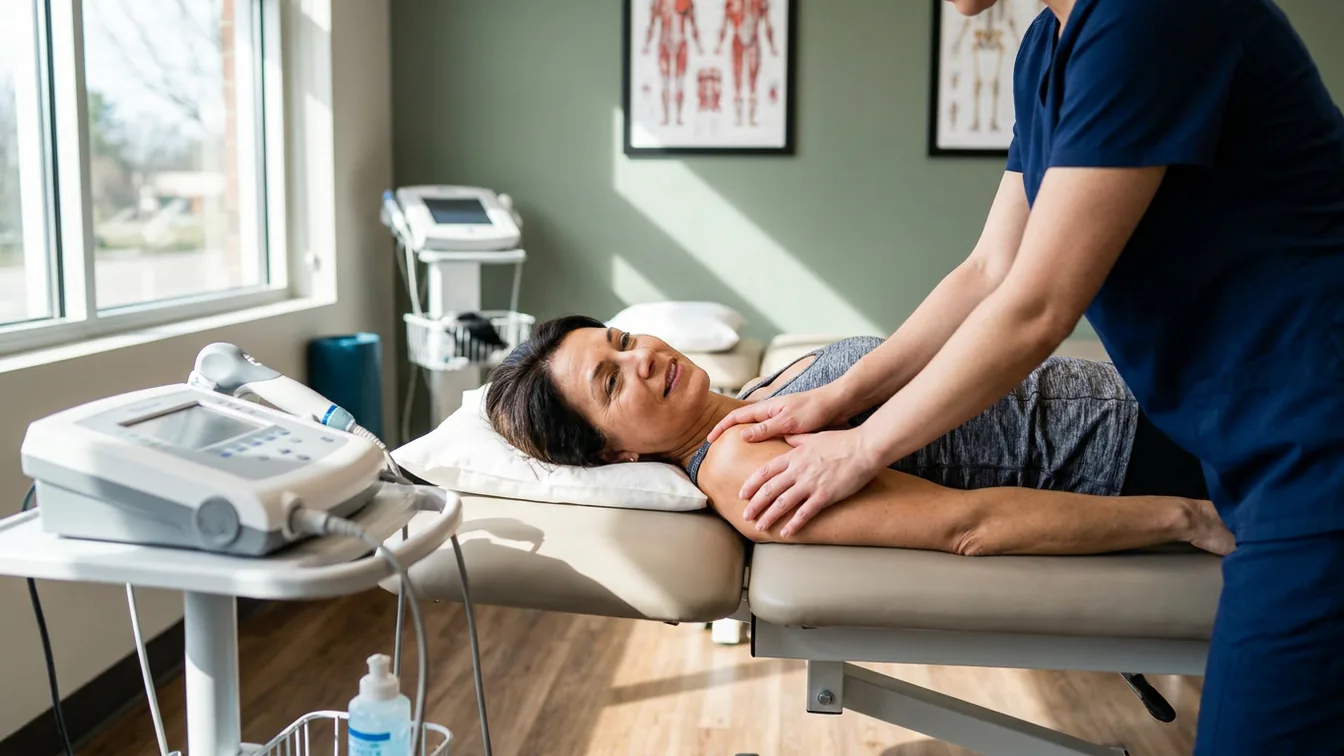
Manual therapy techniques form a cornerstone of many rehabilitation programs. These hands-on approaches help restore normal joint movement, reduce muscle tension, and improve tissue flexibility. Skilled practitioners use their hands to identify areas of restriction or dysfunction that may not be apparent through other examination methods.
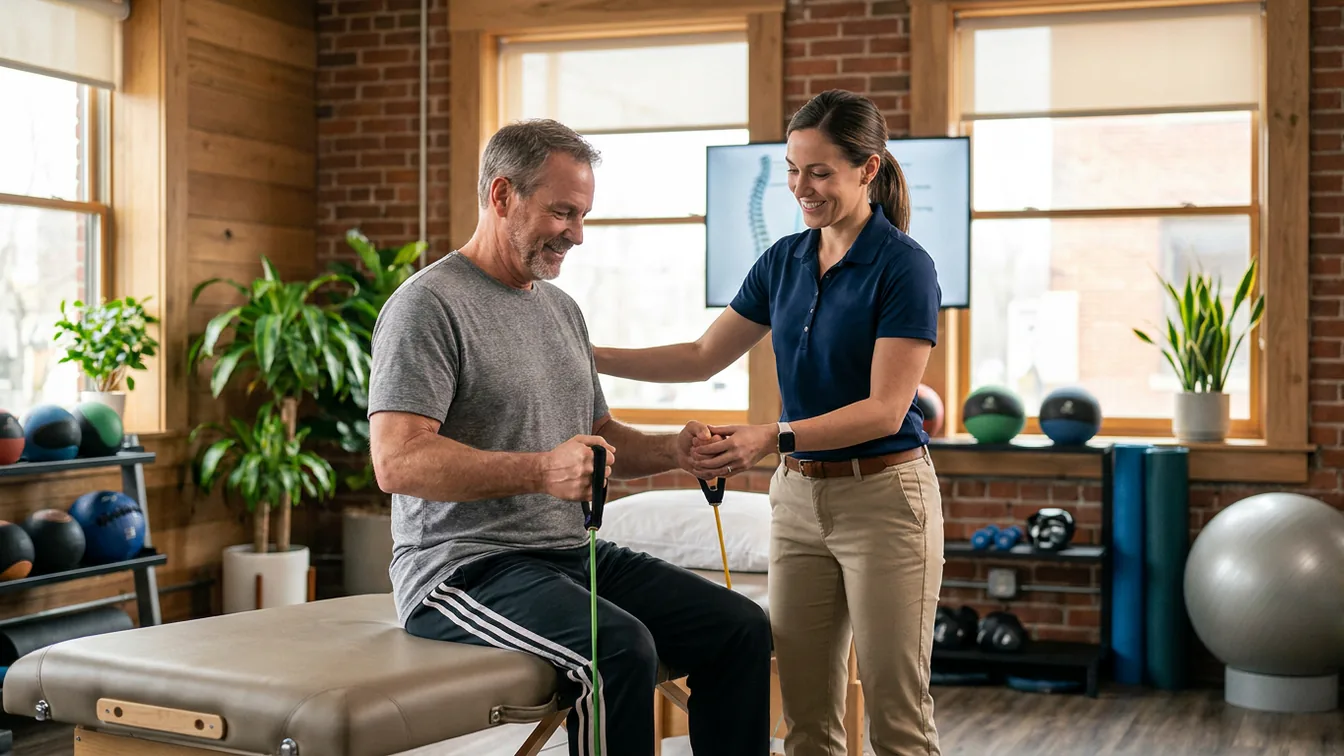
Therapeutic exercises play an equally important role in the rehabilitation process. These carefully selected movements help strengthen weakened muscles, improve coordination, and retrain proper movement patterns. The exercises progress systematically from simple movements to more complex functional activities that mirror your daily tasks.
Movement re-education is another crucial component that helps you develop healthier patterns of motion. Many people develop poor movement habits following an injury or due to chronic pain, which can perpetuate their problems even after the initial issue has healed. Rehabilitation addresses these patterns, teaching your nervous system to move more efficiently and safely.
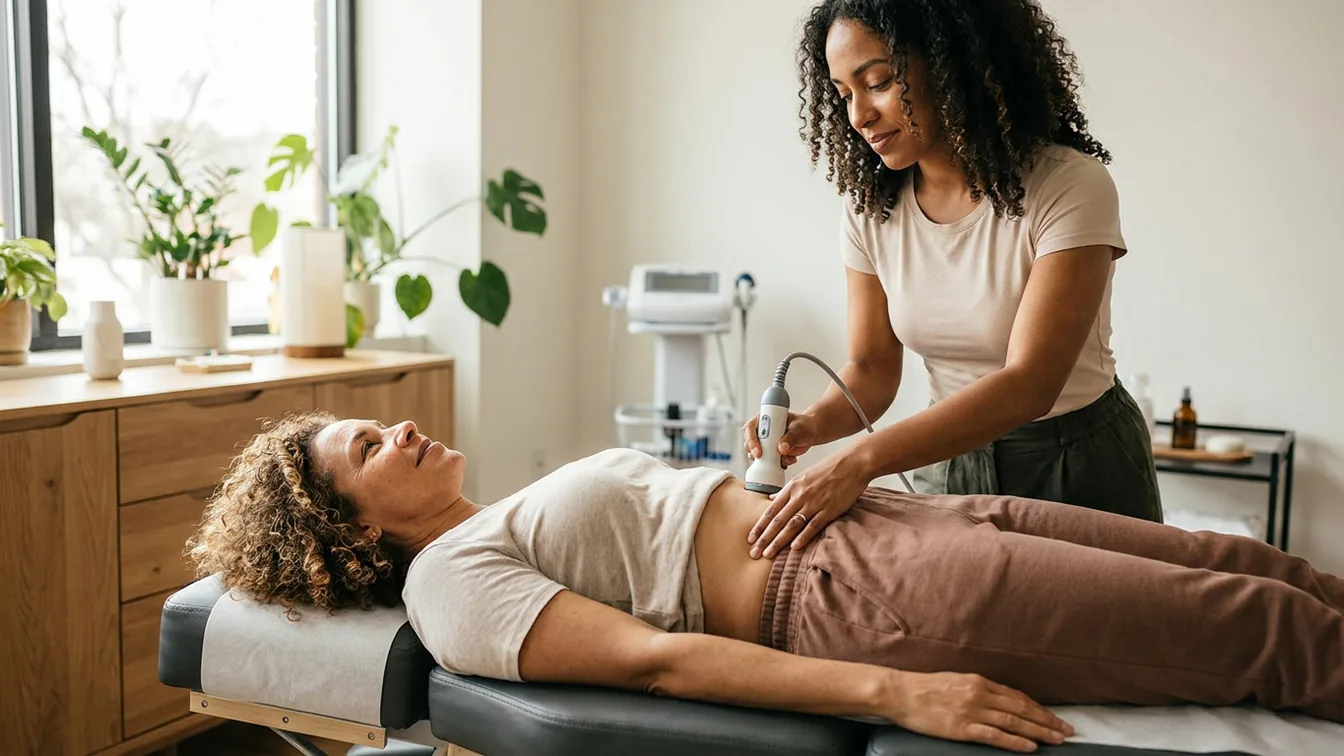
Modalities such as heat therapy, cold therapy, electrical stimulation, and ultrasound may be incorporated to enhance healing and reduce pain. These treatments work by improving blood flow, reducing inflammation, promoting tissue repair, and providing pain relief that allows for more effective participation in active treatments.
Education forms an integral part of the rehabilitation process. Understanding your condition, learning proper body mechanics, and knowing how to prevent re-injury are essential for long-term success. This knowledge empowers you to take an active role in your recovery and maintain the improvements achieved through treatment.
For residents of Tennessee seeking natural pain relief options, physical rehabilitation offers a drug-free alternative that addresses the underlying causes of their discomfort. The approach recognizes that lasting improvement comes from restoring normal function rather than simply suppressing symptoms.
The Science Behind Rehabilitation Success
The effectiveness of physical rehabilitation is supported by extensive research demonstrating how targeted interventions can promote healing and restore function. Understanding the scientific principles behind these treatments helps explain why rehabilitation can be so successful for various conditions.
Neuroplasticity plays a fundamental role in rehabilitation success. This refers to your nervous system's ability to adapt and reorganize in response to new experiences and challenges. Through repetitive, purposeful movements and exercises, rehabilitation helps retrain your nervous system to function more effectively.
Tissue healing follows predictable stages, and rehabilitation techniques are designed to support each phase optimally. During the initial inflammatory stage, treatments focus on protecting tissues and controlling excessive inflammation. As healing progresses, interventions shift toward promoting proper tissue repair and preventing the formation of restrictive scar tissue.
The principle of specific adaptation drives exercise prescription in rehabilitation. Your body adapts to the specific demands placed upon it, so exercises are carefully selected to promote the exact improvements needed for your condition. This might involve strengthening particular muscle groups, improving flexibility in specific areas, or enhancing coordination for certain movement patterns.
Pain science research has revolutionized how rehabilitation professionals approach pain management. Modern understanding recognizes that pain is a complex experience influenced by multiple factors beyond tissue damage. Rehabilitation addresses these various contributors, often achieving significant pain reduction through movement and education rather than passive treatments alone.
The gate control theory explains how certain rehabilitation techniques can provide immediate pain relief. By stimulating specific nerve pathways through movement, manual therapy, or modalities, practitioners can essentially "close the gate" on pain signals, providing relief that allows for more effective treatment participation.
At Cleveland Non-Surgical, these evidence-based principles guide treatment approaches for Cleveland residents seeking effective, natural solutions for their health challenges. The integration of scientific understanding with practical application creates treatment programs that consistently deliver positive outcomes.
Maximizing Your Rehabilitation Success
Achieving optimal results from physical rehabilitation requires active participation and commitment to the process. While skilled practitioners provide expert guidance and treatment, your engagement and consistency significantly impact the final outcome.
Consistency in following your prescribed exercise program is perhaps the most critical factor in rehabilitation success. Your body adapts gradually to new demands, and regular practice is essential for creating lasting improvements. Even when progress seems slow, consistent effort continues to promote positive changes at the cellular level.
Communication with your healthcare provider ensures that your treatment plan remains appropriate as your condition changes. Reporting improvements, setbacks, or concerns allows for necessary adjustments that keep your rehabilitation on track. Open dialogue also helps address any questions or misconceptions that might interfere with your recovery.
Lifestyle modifications often support and enhance the benefits of formal rehabilitation treatments. This might include improving your workspace ergonomics, adopting better sleep habits, managing stress more effectively, or incorporating regular physical activity into your routine.
Patience is essential, as meaningful rehabilitation often takes time. While some improvements may be noticeable immediately, significant functional changes typically develop over weeks or months. Understanding this timeline helps maintain motivation and prevents discouragement during the recovery process.
Prevention strategies learned during rehabilitation help maintain your improvements long-term. The techniques and knowledge gained during treatment become valuable tools for preventing future problems and managing minor issues before they become major concerns.
If you're experiencing pain, limited mobility, or functional difficulties, professional evaluation can help determine whether physical rehabilitation might benefit your situation. The team at Cleveland Non-Surgical, located at 1590 Clingan Ridge Drive, Cleveland, TN 37312, specializes in comprehensive rehabilitation approaches that address the underlying causes of dysfunction while promoting natural healing. Taking that first step toward professional care could be the beginning of your journey back to optimal health and function.