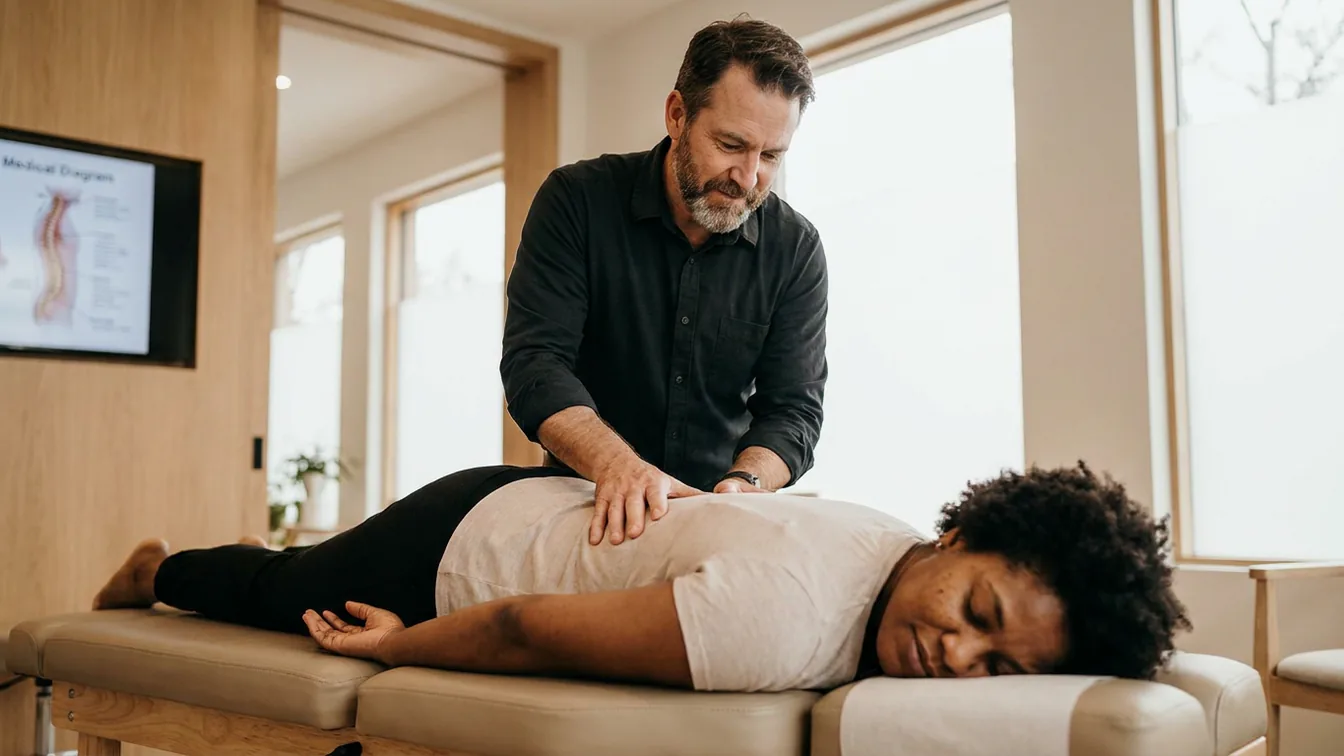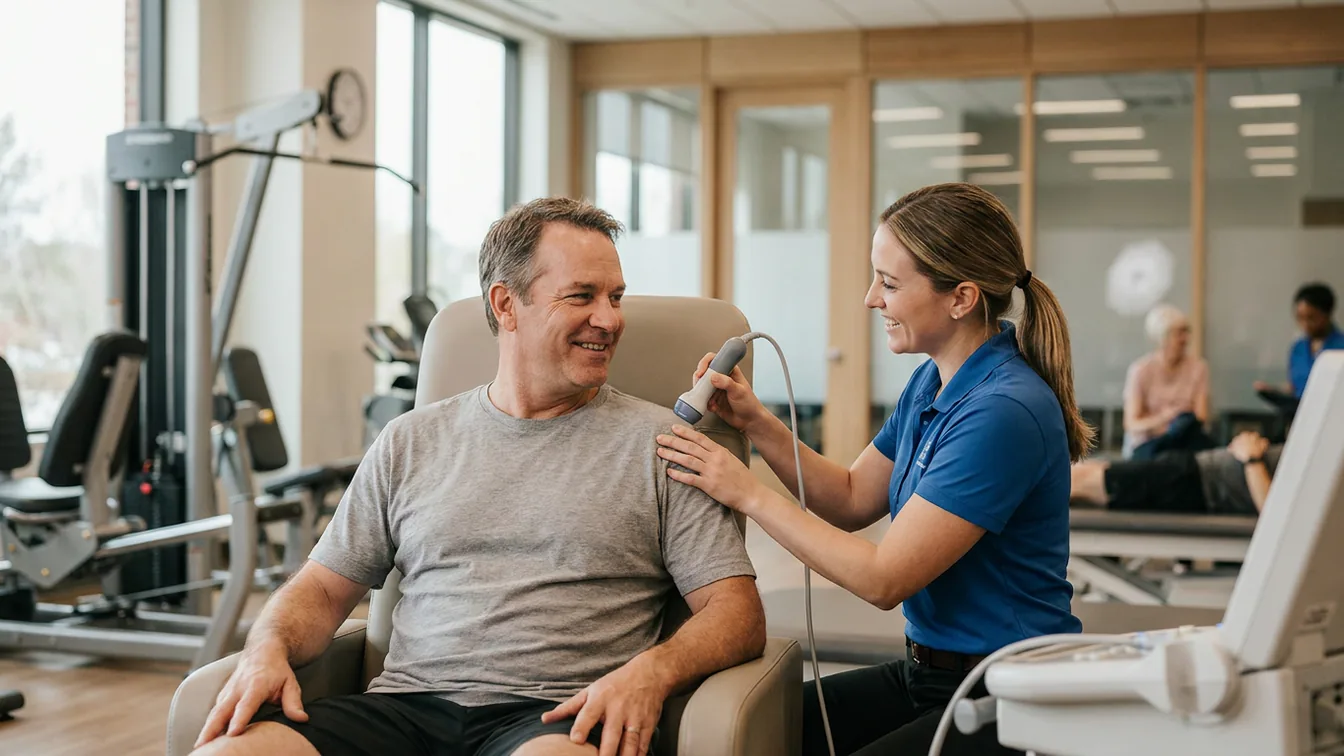
When an injury occurs, whether from a car accident, sports mishap, or workplace incident, the immediate response often focuses on addressing obvious symptoms like severe pain or visible damage. However, what many people don't realize is that the window immediately following an injury represents a critical period that can dramatically influence the trajectory of their recovery. Understanding why early treatment matters after an injury could be the difference between a swift return to normal activities and months or even years of chronic pain and complications.
The body's response to injury involves a complex cascade of biological processes designed to protect and heal damaged tissues. While this natural healing response is remarkable, it doesn't always occur in the most optimal way without proper guidance and intervention. This is where early treatment becomes invaluable, not just for immediate pain relief, but for setting the foundation for complete and lasting recovery.
The Science Behind Early Intervention
When tissue damage occurs, the body immediately initiates an inflammatory response. This inflammation serves important purposes: it brings healing nutrients and immune cells to the affected area, helps remove damaged tissue, and begins the repair process. However, without proper management, this inflammatory response can become excessive or prolonged, leading to additional tissue damage and the formation of scar tissue that may restrict movement and cause ongoing pain.
Early treatment helps guide this natural healing process in the right direction. By addressing inflammation, maintaining proper joint mobility, and ensuring adequate blood flow to injured tissues, healthcare professionals can optimize the body's inherent ability to heal itself. Cleveland residents who seek prompt care after an injury often experience faster recovery times and better long-term outcomes compared to those who delay treatment.
The neurological aspect of injury recovery is equally important to understand. When an injury occurs, pain signals travel to the brain, which then interprets and responds to these signals. If pain persists for extended periods without proper treatment, the nervous system can become hypersensitized, essentially "learning" to maintain pain signals even after the initial tissue damage has healed. This phenomenon, known as central sensitization, is one reason why early intervention matters so significantly in preventing chronic pain conditions.
Research consistently demonstrates that individuals who receive treatment within the first 48-72 hours after an injury have substantially better outcomes than those who wait weeks or months to seek care. This early intervention window allows healthcare providers to address problems before they become entrenched patterns in the body's systems.
Preventing Long-Term Complications
One of the most compelling reasons why early treatment matters after an injury is its role in preventing long-term complications that can significantly impact quality of life. When injuries are left untreated or inadequately addressed, several problematic patterns can develop that become increasingly difficult to resolve over time.
Scar tissue formation represents one of the primary concerns with delayed treatment. As the body attempts to repair damaged tissues without proper guidance, it may lay down fibrous scar tissue in haphazard patterns that can restrict normal movement and create ongoing discomfort. Early treatment includes techniques to promote proper tissue healing and minimize excessive scar tissue formation, preserving normal function and flexibility.
Compensation patterns present another significant risk when early treatment is neglected. When one area of the body is injured and painful, people naturally alter their movement patterns to avoid discomfort. While this protective response is normal in the short term, these altered movement patterns can place abnormal stress on other parts of the body, potentially creating new areas of pain and dysfunction. Cleveland Non-Surgical specializes in identifying and correcting these compensation patterns before they become ingrained habits that lead to secondary injuries.
Joint stiffness and reduced range of motion often develop when injuries aren't addressed promptly. Immobilization due to pain and swelling can cause surrounding tissues to tighten and joints to become restricted. The longer these restrictions persist, the more difficult they become to resolve. Early treatment maintains joint mobility and prevents the development of adhesions that can permanently limit movement.
Muscle weakness and imbalances frequently accompany injuries, particularly when pain causes people to avoid using certain muscle groups. Over time, these muscles can atrophy and lose their ability to provide proper support and stability to injured areas. Early rehabilitation focuses on maintaining muscle strength and function throughout the healing process, preventing the weakness that often contributes to re-injury or chronic problems.
Optimizing Recovery Through Immediate Care
The approach to early treatment after an injury should be comprehensive, addressing not only immediate symptoms but also the underlying factors that influence healing. Effective early intervention involves multiple strategies working together to create the optimal environment for recovery.
Pain management represents a crucial component of early treatment, but it extends far beyond simply masking symptoms. Proper pain control allows individuals to participate more fully in their recovery process, maintain better sleep quality, and avoid the stress response that can actually impair healing. Natural pain management techniques, including chiropractic adjustments, soft tissue therapies, and specific exercises, can provide effective relief while supporting the body's natural healing processes.
Inflammation control requires a delicate balance between allowing the necessary healing response while preventing excessive inflammation that can cause additional damage. Early treatment strategies may include specific therapeutic modalities, nutritional recommendations, and gentle movement protocols designed to optimize the inflammatory response rather than simply suppressing it.
Mobility preservation stands as one of the most important aspects of early injury care. Maintaining as much normal movement as possible, within pain-free ranges, helps ensure that healing tissues develop in proper alignment and that joint function is preserved. This doesn't mean pushing through severe pain, but rather working within comfortable limits to prevent stiffness and maintain circulation.
Education plays a vital role in early treatment success. Understanding what to expect during the healing process, learning proper body mechanics, and knowing how to modify activities appropriately empowers individuals to take an active role in their recovery. Many Cleveland residents find that this educational component helps them feel more confident about their recovery and better equipped to make decisions that support healing.
Taking Action: When and How to Seek Help
Recognizing when to seek early treatment after an injury isn't always straightforward, especially when symptoms seem minor or when adrenaline masks the full extent of damage immediately after an incident. However, certain guidelines can help individuals make informed decisions about when professional care is warranted.
Immediate medical attention is obviously necessary for severe injuries involving suspected fractures, loss of consciousness, severe bleeding, or signs of serious internal injury. However, many injuries that don't require emergency care can still benefit significantly from prompt professional evaluation and treatment.
Persistent pain, even if mild, that continues beyond 24-48 hours after an injury should be evaluated professionally. Pain serves as the body's warning system, and ongoing discomfort often indicates that tissues aren't healing optimally on their own. Early intervention during this stage can often resolve problems quickly and prevent them from becoming chronic issues.
Reduced range of motion or stiffness that doesn't improve with gentle movement and basic self-care measures within a day or two of injury warrants professional assessment. Joint restrictions that develop early after an injury can become increasingly difficult to resolve if left unaddressed.
Changes in sensation, including numbness, tingling, or unusual sensitivity, should always be evaluated promptly, as these symptoms may indicate nerve involvement that requires specific treatment approaches to prevent permanent complications.
Here in Cleveland, Tennessee, residents have access to comprehensive non-surgical treatment options that can address injuries effectively in their early stages. The key is not waiting until problems become severe or chronic before seeking help. Early treatment is invariably more comfortable, less time-consuming, and more cost-effective than dealing with long-term complications that could have been prevented.
If you've recently experienced an injury, don't underestimate the importance of early professional evaluation and treatment. The healthcare professionals at Cleveland Non-Surgical, located at 1590 Clingan Ridge Drive, Cleveland, TN 37312, specialize in providing comprehensive early intervention strategies that can help you achieve the best possible recovery outcomes. Taking action now, while your injury is still in its acute phase, could save you from months or years of chronic pain and limitation. Your body's ability to heal is remarkable, but it works best when guided by knowledgeable professionals who understand how to optimize the recovery process from the very beginning.