Millions of Americans wake up each morning with tingling, numbness, and pain radiating through their hands and wrists. If you're experiencing these symptoms, you're likely familiar with the frustrating reality of carpal tunnel syndrome. While traditional treatments often focus solely on the wrist and hand, emerging research reveals that the root cause may actually originate much higher up in your body – in your spine.
Carpal tunnel syndrome affects nearly 5% of the adult population, with symptoms that can significantly impact daily activities, work performance, and overall quality of life. Cleveland residents dealing with this condition often find themselves caught between accepting chronic pain or considering invasive surgical procedures. However, there's a revolutionary approach that's changing how we treat carpal tunnel syndrome: spinal decompression therapy.
Understanding the Spine-Carpal Tunnel Connection
The relationship between spinal health and carpal tunnel syndrome isn't immediately obvious, but it's grounded in solid anatomical science. Your median nerve, which becomes compressed in carpal tunnel syndrome, originates from nerve roots in your cervical spine – specifically from the C6, C7, and C8 vertebrae in your neck.
When these spinal segments become misaligned, compressed, or irritated, they can create a cascade of problems that eventually manifest as carpal tunnel symptoms in your hands and wrists. Think of it like a garden hose with multiple kinks – while you might notice the reduced water flow at the end, the actual problem could be anywhere along the line.
This phenomenon, known as "double crush syndrome," occurs when nerve compression at the spinal level makes the median nerve more susceptible to compression at the carpal tunnel. Research published in the Journal of Bone and Joint Surgery found that up to 70% of patients with carpal tunnel syndrome also show signs of cervical spine dysfunction.
For many Cleveland residents, this connection explains why traditional carpal tunnel treatments focusing only on the wrist provide temporary relief at best. By addressing the spinal component, we can target the root cause rather than just managing symptoms.
How Spinal Decompression Provides Lasting Relief
Spinal decompression therapy works by gently stretching the spine to create negative pressure within the spinal discs. This process serves multiple therapeutic purposes that directly address the underlying causes of carpal tunnel syndrome.
First, decompression creates space between compressed vertebrae, relieving pressure on nerve roots that contribute to median nerve dysfunction. When the C6, C7, and C8 nerve roots function optimally, they provide better support to the entire nerve pathway, reducing the likelihood of compression at the carpal tunnel.
Second, the negative pressure created during decompression promotes the retraction of herniated or bulging disc material that may be impinging on nerve roots. This mechanical relief allows for improved nerve conductivity and reduced inflammation throughout the entire nerve pathway.
Third, spinal decompression enhances blood flow and nutrient delivery to the affected spinal segments. Improved circulation supports the healing process and helps maintain healthy nerve function over the long term.
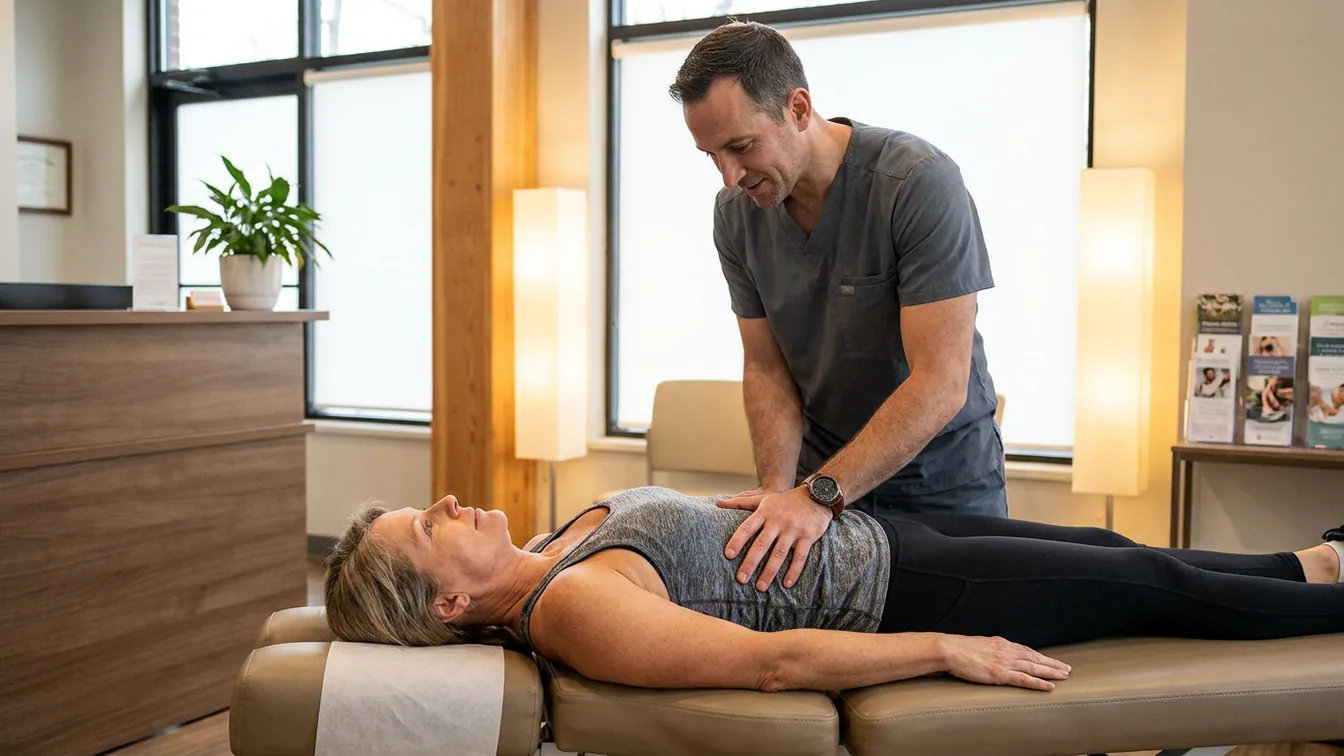
The treatment involves lying comfortably on a specialized decompression table while a computer-controlled system applies precise, gentle traction to your spine. Sessions typically last 20-30 minutes and are completely painless. Most patients find the experience relaxing, with many reporting immediate improvements in neck tension and arm symptoms.
What sets spinal decompression apart from other treatments is its ability to provide lasting relief by addressing the source of the problem. While wrist braces, anti-inflammatory medications, and even surgery focus on the end result of nerve compression, decompression therapy targets the spinal dysfunction that often initiates the entire cascade of symptoms.
The Comprehensive Treatment Approach
At Cleveland Non-Surgical, we've found that combining spinal decompression with complementary therapies maximizes the potential for lasting relief. This integrated approach addresses not only the immediate symptoms but also the underlying factors that contribute to carpal tunnel syndrome.
Postural correction plays a crucial role in treatment success. Many Tennessee residents spend hours at computers or engaged in repetitive work activities that promote forward head posture and rounded shoulders. These postural distortions place additional stress on the cervical spine and can perpetuate the nerve compression cycle. We incorporate specific exercises and ergonomic education to help patients maintain proper spinal alignment throughout their daily activities.
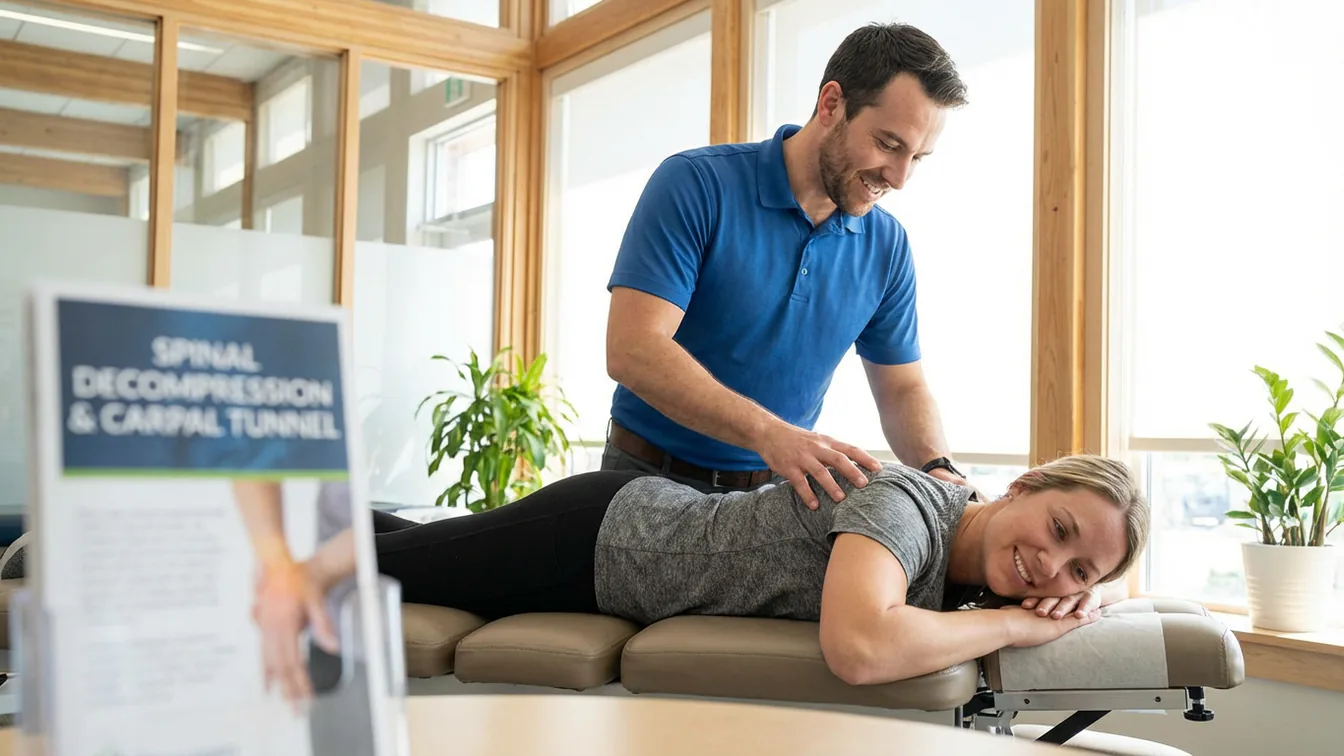
Soft tissue therapy complements spinal decompression by addressing muscle tension and fascial restrictions that can contribute to nerve compression. Techniques such as myofascial release and trigger point therapy help restore normal tissue mobility and reduce inflammation around affected nerve pathways.
Nutritional support also plays an important role in the healing process. Anti-inflammatory nutrients like omega-3 fatty acids, vitamin B6, and magnesium can help reduce nerve inflammation and support optimal nerve function. We provide guidance on dietary modifications and targeted supplementation to enhance treatment outcomes.
Lifestyle modifications are essential for maintaining long-term improvement. This includes workspace ergonomics, sleep positioning recommendations, and activity modifications that reduce repetitive stress on the median nerve. Cleveland residents often benefit from simple changes like adjusting computer monitor height, using ergonomic keyboards, and taking regular breaks from repetitive activities.
What to Expect from Treatment
Patients beginning spinal decompression for carpal tunnel syndrome typically notice improvements within the first few treatment sessions. Early changes often include reduced nighttime numbness, improved grip strength, and decreased morning stiffness in the hands and wrists.
A complete treatment program usually involves 12-20 sessions over 4-6 weeks, depending on the severity of symptoms and individual response to therapy. The frequency and duration of treatment are customized based on each patient's specific condition and healing response.
During the initial phase of treatment, some patients experience mild soreness as the spine adjusts to the decompression therapy. This is normal and typically resolves quickly as the body adapts to improved spinal alignment and function.
Long-term success depends on addressing the lifestyle and postural factors that contributed to the original problem. Patients who actively participate in postural correction exercises and implement ergonomic modifications typically experience the most lasting relief.
It's important to understand that spinal decompression isn't just about symptom relief – it's about restoring optimal function to your spine and nervous system. This comprehensive approach provides the foundation for lasting improvement rather than temporary symptom masking.
Research supporting spinal decompression for carpal tunnel syndrome continues to grow. A study published in the Archives of Physical Medicine and Rehabilitation found that patients receiving cervical spine treatment for carpal tunnel syndrome experienced significantly greater improvement compared to those receiving only traditional carpal tunnel treatments.
Taking the Next Step Toward Relief
If you're tired of living with carpal tunnel pain and numbness, spinal decompression therapy may be the solution you've been seeking. This innovative approach offers hope for lasting relief without the risks and recovery time associated with surgery.
Many Cleveland residents have discovered that addressing their spinal health provides the key to overcoming carpal tunnel syndrome. The combination of advanced decompression technology with comprehensive care creates an environment where natural healing can occur.
Don't let carpal tunnel syndrome continue to limit your daily activities and quality of life. Our experienced team at Cleveland Non-Surgical understands the unique challenges faced by patients dealing with this condition, and we're committed to helping you find lasting relief through natural, non-invasive treatment methods.
To learn more about how spinal decompression can help you overcome carpal tunnel syndrome, contact our Cleveland clinic at 1590 Clingan Ridge Drive, Cleveland, TN 37312. We'll conduct a thorough evaluation to determine if you're a candidate for this innovative treatment approach and develop a personalized plan to help you achieve lasting relief from your symptoms.